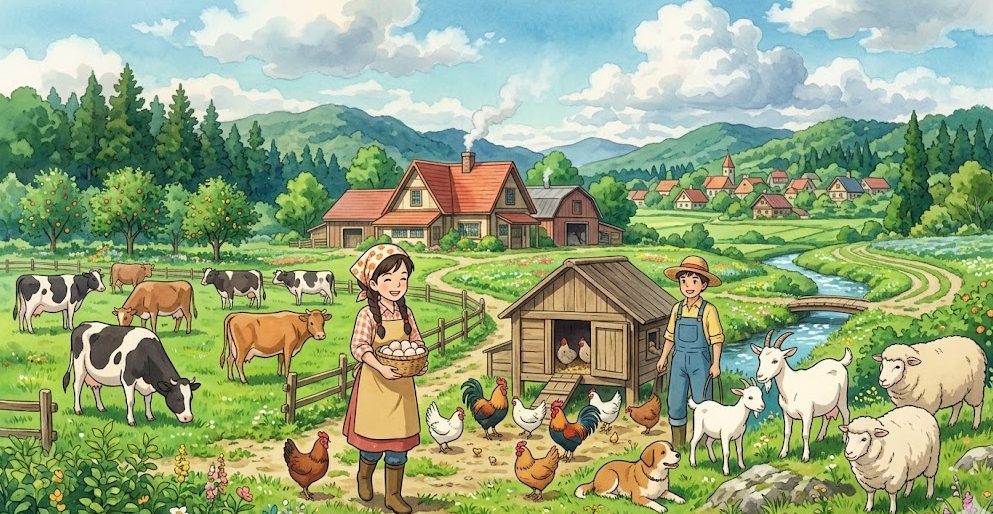
Diversifying into livestock farming is a strategic move for any agricultural entrepreneur. Whether you are looking to maximize small land holdings or scale up a commercial operation, integrating dairy, poultry, and small ruminants—such as goats and sheep—creates a balanced ecosystem. This synergy not only ensures a steady flow of income throughout the year but also enhances farm sustainability through organic manure production.
This guide explores the essential pillars of building a successful multi-species livestock farm.
1. Dairy Farming: The Foundation of Steady Income
Dairy is often considered the backbone of mixed-farming systems. It provides daily liquidity, which is essential for managing operational costs.
Breed Selection and Nutrition
Success in dairy begins with selecting high-yield, disease-resistant breeds suited to your local climate. A balanced diet—comprising a mix of green fodder, dry straw, and mineral-rich concentrates—is non-negotiable. Aim for a diet that supports not just maintenance, but high-quality milk production.
Infrastructure and Hygiene
A clean environment directly correlates to milk quality and animal health. Your shed should have:
- Proper Ventilation: To prevent respiratory diseases.
- Drainage Systems: To maintain dry floors and reduce foot infections.
- Clean Water Supply: Milking animals require large amounts of water to maintain hydration and volume.
2. Poultry Farming: Quick Returns and Rapid Turnover
Poultry is a high-growth sector, ideal for generating faster returns on investment compared to larger livestock.
Setting Up for Success
Whether you are raising layers for egg production or broilers for meat, the key is biosecurity. Poultry is highly susceptible to contagious diseases, making strict adherence to vaccination schedules and sanitation protocols vital.
Feeding and Housing
- Balanced Feed: Poultry requires high-protein feed to maintain growth rates. Commercial feeds are often used for precision, but home-mixed rations can be economical if balanced correctly.
- Lighting Control: For layers, light management is critical. Extending daylight hours artificially can stimulate higher egg production throughout the year.
- Waste Management: Poultry manure is a potent fertilizer. Integrating your poultry waste management with your farm’s composting system reduces input costs for crops and improves soil fertility.
3. Small Ruminant Farming (Goats and Sheep)
Often called “the poor man’s bank,” goats and sheep are highly adaptable, require less capital, and thrive on marginal lands where cows might struggle.
The Versatility Advantage
Small ruminants are efficient browsers. They can thrive on diverse vegetation, from shrubs to grasses, making them ideal for areas with varying terrain.
Key Management Practices
- Rotational Grazing: Prevent overgrazing and the buildup of internal parasites by rotating your herds through different paddocks. This practice ensures consistent forage quality and healthier pastures.
- Health Monitoring: Small ruminants are prone to hoof issues and parasitic worms. Routine deworming, hoof trimming, and keeping their bedding clean are essential maintenance tasks that prevent costly outbreaks.
- Market Positioning: Focus on breeds that are in demand in your local market—whether it is for milk, meat, or wool/fiber production.
Synergistic Farming: The “Whole Farm” Approach
The real strength of combining these three sectors lies in the efficiency of resource utilization.
Waste-to-Wealth
The manure from your dairy, poultry, and small ruminant operations can be processed through a biodigester or direct composting. This organic fertilizer is a premium product that can either be used to enrich your own pastures or sold as a secondary revenue stream.
Integrated Pest Management
By rotating different species on the same land, you break the life cycle of various pests. For instance, grazing sheep after cattle can help control certain parasites and weeds that cattle leave behind, leading to a cleaner and more productive landscape.
Best Practices for Long-Term Profitability
1. Rigorous Record Keeping
You cannot manage what you do not measure. Maintain detailed logs of:
- Feed consumption and costs.
- Milk or egg production volumes.
- Veterinary expenses and vaccination dates.
- Market sales and profit margins.
2. Preventive Healthcare
In livestock, treatment is always more expensive than prevention. Establish a strong relationship with a local veterinarian, follow a strict vaccination calendar, and ensure that your animals are tagged and tracked.
3. Market Awareness
Understand the demand cycles in your area. For example, the market for meat often spikes during festive seasons, while dairy demand remains relatively stable. Aligning your breeding and production cycles with these market fluctuations can significantly boost your annual profits.
Conclusion
Building a successful livestock enterprise requires a combination of patience, scientific management, and consistent attention to detail. By integrating dairy, poultry, and small ruminant farming, you create a robust, multifaceted business that is less vulnerable to the risks associated with single-commodity agriculture.
Start small, prioritize the health and comfort of your animals, and continuously reinvest in better infrastructure. With these strategies, you can build a thriving farm that provides lasting economic security and contributes to sustainable agricultural growth.
Disclaimer: This guide is intended for educational purposes. Always conduct local market research and consult with agricultural experts or veterinary professionals before starting a new livestock venture to ensure compliance with local regulations and environmental standards.
Would you like to focus the next article on a specific segment, such as cost-effective feeding techniques for poultry or small-scale dairy infrastructure?