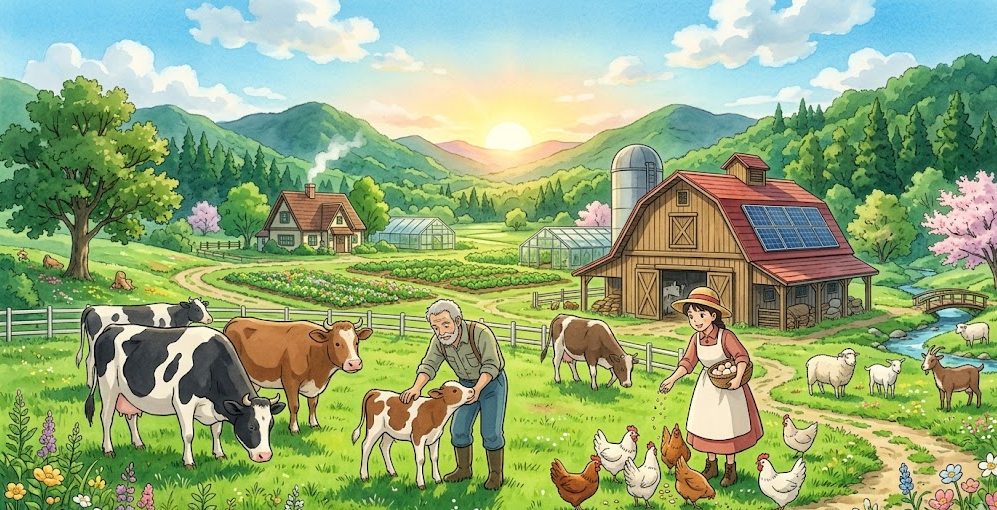
Livestock farming has evolved from a traditional labor-intensive practice into a sophisticated, science-driven industry. As global food demand rises, the pressure to produce high-quality meat, dairy, and fiber has never been greater. However, the true secret to a profitable farm lies not just in volume, but in the health and welfare of the animals.
A modern, high-performing farm views livestock care as an integrated ecosystem. When animal health is prioritized through modern technology and strategic management, productivity naturally follows. In this guide, we explore the essential pillars of comprehensive livestock care and the strategies that define successful modern farming.
The Pillars of Modern Animal Health
Maintaining a healthy herd or flock requires a proactive approach. Instead of waiting for signs of illness, modern farmers focus on prevention and environment optimization.
1. Nutrition and Precision Feeding
Nutrition is the foundation of immunity. Modern livestock management utilizes precision feeding systems that tailor dietary intake to the specific life stage, weight, and production goals of the animal.
- Balanced Diets: Incorporating essential minerals, vitamins, and high-quality protein sources ensures that animals develop strong immune systems.
- Water Quality: Water is often the most overlooked nutrient. Ensuring clean, temperature-controlled water access can increase milk production in dairy cattle and weight gain in beef cattle significantly.
2. Biosecurity Protocols
Biosecurity is your first line of defense against disease outbreaks. A robust biosecurity plan should include:
- Controlled Access: Limiting visitors and ensuring all staff follow sanitation protocols.
- Quarantine Areas: New animals must always be isolated before being introduced to the main herd to prevent the spread of infectious diseases.
- Pest Control: Maintaining a clean environment free from rodents and insects, which are common vectors for viruses and parasites.
3. Comfortable Housing and Environment
Animals that are comfortable are more productive. Heat stress, overcrowding, and poor ventilation are the primary enemies of livestock growth.
- Ventilation Systems: Proper airflow removes ammonia and moisture, which are critical for preventing respiratory diseases.
- Temperature Regulation: In extreme climates, utilizing misting systems for heat or insulated shelter for cold allows animals to direct their energy toward growth rather than stress management.
Leveraging Technology in Livestock Farming
The “Smart Farm” is no longer a futuristic concept; it is an accessible reality that every livestock owner should embrace to maintain high health standards.
Wearable Tech and IoT Sensors
Just as humans use smartwatches, livestock are now monitored via wearable sensors. These devices track:
- Activity Levels: A sudden drop in movement can indicate lameness or early-stage illness.
- Rumination Patterns: Changes in eating habits are often the first sign of digestive or metabolic distress.
- Estrus Detection: Sensors can identify the optimal breeding time, increasing conception rates and improving herd genetics over time.
Automated Health Monitoring
Modern software platforms allow farmers to digitize animal health records. By tracking every vaccination, treatment, and weight check, you create a comprehensive health profile for each animal. This data-driven approach allows for early intervention, which saves money on veterinary costs and reduces the need for antibiotics.
Strategic Management for Profitability
True success in livestock farming requires a balance between compassionate care and bottom-line management.
Preventive Care Over Reactive Treatment
The traditional model of calling a veterinarian only when an animal is visibly ill is expensive and risky. Modern strategy dictates a preventive schedule:
- Regular Vaccinations: Keep a strict calendar for seasonal vaccines.
- Routine De-worming: Parasites steal nutrients, leading to poor growth and increased feed costs.
- Hoof and Dental Care: Regular maintenance prevents secondary infections that can quickly become debilitating.
Genetics and Sustainable Breeding
Investing in high-quality genetics is a long-term strategy. By selecting for traits like disease resistance, high feed-to-weight conversion, and adaptability to local climates, you build a herd that is inherently “easier” to manage. A stronger, more resilient animal requires less medical intervention and produces better yields, directly increasing your profit margin.
The Ethical Imperative: Welfare as a Business Asset
Consumer awareness regarding animal welfare is at an all-time high. Modern farming strategies must align with ethical standards to ensure long-term marketability.
- Stress-Free Handling: Gentle handling techniques reduce cortisol levels in animals, which prevents “dark cutter” meat in cattle and improves the overall quality of end products.
- Social Interaction: Livestock are herd animals. Providing appropriate social structures reduces anxiety and promotes natural behaviors, which are essential for animal well-being.
- Transparency: When you treat your animals with care, you build a brand story that resonates with today’s conscious consumer, potentially opening up premium market segments.
Essential Checklist for Livestock Care
To keep your farm operating at peak efficiency, use this daily and seasonal checklist:
| Category | Daily Task | Seasonal/Periodic Task |
|---|---|---|
| Feeding | Ensure fresh, clean feed intake. | Adjust ration based on growth phase. |
| Water | Check flow and cleanliness. | Scrub and disinfect troughs. |
| Observation | Check for signs of lethargy. | Body Condition Scoring (BCS). |
| Environment | Clean bedding and waste removal. | Deep cleaning and ventilation service. |
| Records | Log individual animal behavior. | Review health history and trends. |
Conclusion: Building a Resilient Future
The future of livestock farming lies in the marriage of traditional husbandry skills and modern analytical tools. By focusing on holistic animal health, implementing preventive biosecurity, and embracing data-driven monitoring, you create a farm that is not only productive but also resilient against market fluctuations and environmental challenges.
Remember, every dollar invested in the comfort and health of your livestock is an investment in the longevity and profitability of your farm. Start by auditing your current health management practices and identify one area—such as water hygiene or vaccination scheduling—where you can improve your protocols today.
Consistent, compassionate, and calculated care is the ultimate strategy for success in the modern agricultural world.
Would you like me to tailor this advice toward a specific type of livestock, such as cattle, poultry, or sheep?