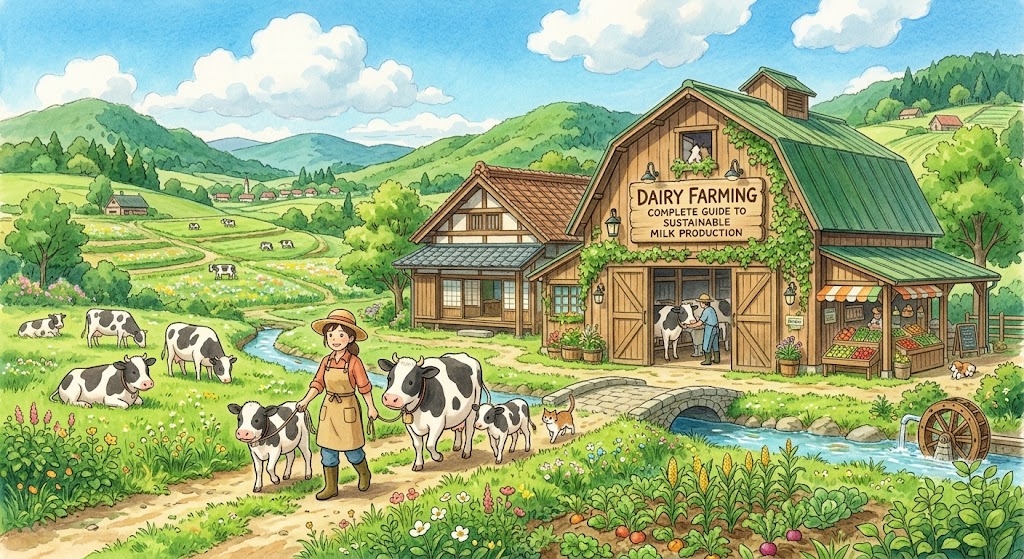
Introduction
Dairy farming is one of the oldest and most important agricultural activities in the world. It plays a vital role in producing milk and dairy products while supporting the livelihoods of millions of farming families. As the demand for nutritious food continues to rise, dairy farming has evolved from small household operations into a modern, technology-driven industry focused on improving productivity, animal welfare, and environmental sustainability.
Modern dairy farming involves raising healthy dairy animals such as cows, buffaloes, goats, and sheep to produce high-quality milk. Farmers carefully manage feeding, breeding, healthcare, housing, and hygiene to ensure consistent milk production and maintain animal health. Along with milk, dairy farming also contributes to the production of cheese, butter, yogurt, cream, and other valuable dairy products.
With the help of Artificial Intelligence (AI), automated milking systems, smart sensors, and precision livestock management, dairy farming is becoming more efficient than ever before. These innovations not only improve milk yield but also help farmers reduce costs, monitor animal health, and build sustainable farming systems for the future.
What is Dairy Farming?
Dairy farming is the practice of breeding and managing dairy animals for the production of milk and milk-based products. It involves providing proper nutrition, clean housing, veterinary care, and suitable living conditions to ensure healthy animals and consistent milk production.
Common dairy animals include:
- Dairy cows
- Buffaloes
- Goats
- Sheep
Each species has unique characteristics, and farmers select them based on climate, available resources, and market demand.
Importance of Dairy Farming
Dairy farming contributes significantly to agriculture and rural economies.
Its major importance includes:
- Produces nutritious milk
- Creates year-round income
- Generates rural employment
- Supports food security
- Provides organic manure
- Supplies raw materials for dairy industries
- Improves livelihoods of farming communities
Because milk is consumed daily in many households, dairy farming offers farmers a stable and reliable source of income throughout the year.
Choosing the Right Dairy Animals
Selecting healthy and productive animals is essential for successful dairy farming.
Farmers should consider:
- Good milk-producing breeds
- Strong disease resistance
- Healthy body condition
- Proper breeding history
- Adaptability to local climate
Purchasing animals from trusted breeders helps improve long-term farm performance.
Housing and Farm Management
Comfortable housing plays a major role in dairy production.
A well-designed dairy farm should provide:
- Clean drinking water
- Proper ventilation
- Dry flooring
- Comfortable resting areas
- Adequate space for movement
- Protection from extreme weather
Good housing reduces stress and improves both animal health and milk production.
Nutrition and Feeding
Balanced nutrition is one of the most important factors affecting milk yield.
A healthy dairy diet includes:
- Green fodder
- Dry fodder
- Silage
- Concentrate feed
- Mineral mixtures
- Clean drinking water
Proper feeding ensures healthy digestion, better immunity, and higher-quality milk.
Animal Health Management
Healthy animals produce more milk and live longer productive lives.
Routine healthcare includes:
- Regular veterinary checkups
- Vaccination programs
- Deworming
- Hoof care
- Clean milking practices
- Disease monitoring
Early detection of illnesses helps prevent production losses.
Modern Technologies in Dairy Farming
Technology has transformed dairy farming into a highly efficient industry.
Artificial Intelligence (AI)
AI helps monitor milk production, detect diseases, and analyze animal behavior.
Applications include:
- Heat detection
- Health monitoring
- Feed optimization
- Milk yield prediction
Internet of Things (IoT)
Wearable sensors collect real-time information such as:
- Body temperature
- Activity levels
- Feeding behavior
- Heart rate
- Rumination patterns
These systems alert farmers if an animal shows signs of illness.
Automatic Milking Systems
Modern robotic milking machines allow cows to be milked automatically.
Benefits include:
- Reduced labor
- Improved hygiene
- Consistent milking schedules
- Better milk quality
- Increased animal comfort
Smart Farm Management Software
Digital platforms help farmers manage:
- Milk records
- Animal identification
- Vaccination schedules
- Breeding information
- Feed inventory
- Financial records
These tools improve planning and overall farm efficiency.
Benefits of Dairy Farming
Regular Income
Milk can be sold every day, providing farmers with continuous cash flow.
Nutritional Value
Milk is rich in calcium, protein, vitamins, and essential minerals.
Employment Opportunities
Dairy farming creates jobs in production, processing, transportation, and marketing.
Organic Fertilizer
Animal manure improves soil fertility and supports sustainable crop production.
Diversified Products
Farmers can increase profits by producing cheese, butter, yogurt, paneer, cream, and ghee.
Farm Sustainability
Dairy farming integrates well with crop farming through nutrient recycling and compost production.
Sustainable Dairy Farming Practices
Modern dairy farms focus on environmental responsibility.
Important practices include:
- Efficient water management
- Proper manure handling
- Renewable energy use
- Improved animal welfare
- Rotational grazing
- Balanced feed management
- Waste recycling
These methods reduce environmental impact while maintaining farm profitability.
Challenges in Dairy Farming
Despite its many advantages, dairy farming also presents several challenges.
Rising Feed Costs
Animal feed represents one of the largest operating expenses.
Disease Management
Poor hygiene increases the risk of disease outbreaks.
Climate Stress
High temperatures may reduce milk production and animal comfort.
Labor Availability
Experienced workers are essential for proper animal care and farm management.
Market Price Fluctuations
Milk prices may vary depending on demand and regional market conditions.
Tips for Successful Dairy Farming
Farmers can improve productivity by following these best practices:
- Choose healthy, high-yield dairy breeds.
- Provide balanced and nutritious feed.
- Ensure constant access to clean drinking water.
- Maintain clean and comfortable housing.
- Follow regular vaccination schedules.
- Monitor animal health daily.
- Keep accurate milk production records.
- Practice hygienic milking procedures.
- Manage manure responsibly for organic fertilizer.
- Adopt modern technologies to improve efficiency.
Future of Dairy Farming
The dairy industry is rapidly embracing innovation. Artificial Intelligence, robotic milking systems, wearable health sensors, automated feeding machines, precision livestock farming, and data-driven management are transforming dairy operations around the world.
Future dairy farms are expected to become more sustainable through renewable energy, methane reduction strategies, climate-smart farming practices, and improved breeding technologies. Consumers are also demanding higher-quality dairy products produced with better animal welfare and environmentally responsible methods.
As technology continues to advance, dairy farming will become more productive, efficient, and resilient while helping meet the growing global demand for milk and dairy products.
Dairy Farming and Rural Development
Dairy farming is not only a source of nutritious food but also a powerful driver of rural development. It provides employment opportunities for farmers, supports small family businesses, encourages women’s participation in agriculture, and strengthens local economies. Income from dairy farming often helps families invest in education, healthcare, and improved farming practices, contributing to a better quality of life.
By integrating dairy farming with crop production, composting, and renewable energy systems, farmers can build sustainable agricultural enterprises that benefit both their communities and the environment.
Conclusion
Dairy farming remains one of the most valuable sectors of modern agriculture, offering a reliable source of nutrition, employment, and income. Through proper animal care, balanced nutrition, hygienic management, and the adoption of modern technologies, farmers can produce high-quality milk while improving farm profitability and sustainability.
Although challenges such as rising costs, climate change, and disease management require careful planning, the future of dairy farming is bright. Innovations in Artificial Intelligence, automation, and precision livestock management are helping farmers achieve greater efficiency while ensuring animal welfare and environmental protection. As global demand for dairy products continues to grow, sustainable dairy farming will remain an essential pillar of food security and rural development for generations to come.