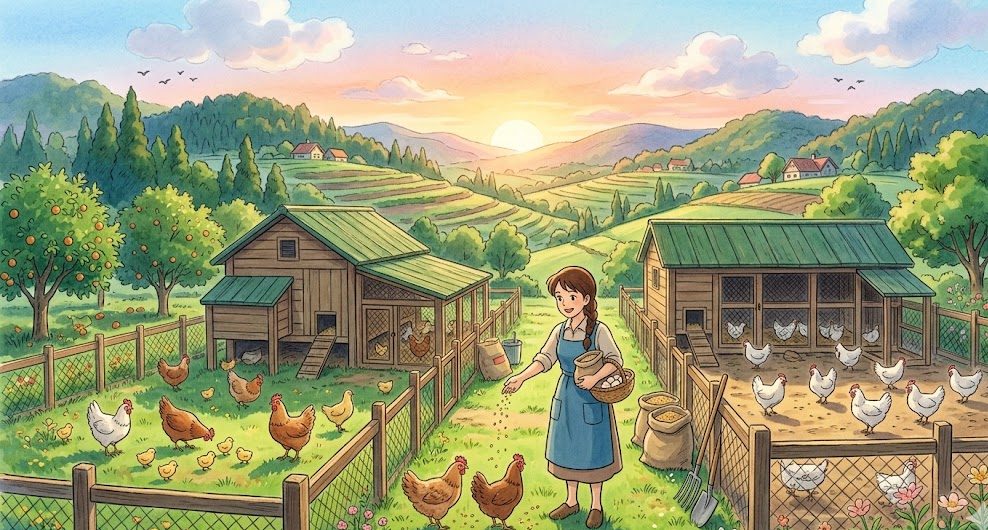
Poultry farming is one of the most dynamic and profitable segments of agriculture. Whether you are looking to provide a steady supply of protein for your family or building a commercial empire, the roadmap to success requires more than just buying a few birds. It demands a strategic approach to biology, business, and daily management.
This blueprint breaks down the essentials of raising Broilers (meat production) and Layers (egg production) to ensure your venture takes flight on the right note.
1. Choosing Your Path: Broilers vs. Layers
Before you build a single coop, you must decide which “product” matches your goals.
| Feature | Broilers | Layers |
|---|---|---|
| Primary Goal | Rapid meat production | Consistent egg production |
| Duration | Short (6–8 weeks) | Long (72–80 weeks) |
| Cash Flow | Lump sum at harvest | Daily income from eggs |
| Management | High intensity, fast turnover | Moderate intensity, long-term care |
Export to Sheets
2. Housing and Environment: The Foundation
Your birds’ environment is the single biggest factor in their health. A bird that is stressed by heat, cold, or dampness will not grow or lay effectively.
The Golden Rules of Poultry Housing:
- Orientation: In most tropical climates, build your house in an East-West direction. This prevents direct sunlight from entering the house and overheating the birds while allowing for maximum cross-ventilation.
- Ventilation: Ammonia buildup from droppings can cause respiratory diseases. Ensure a constant flow of fresh air without creating harsh drafts.
- Space Requirements:
- Broilers: Need roughly 1 square foot per bird.
- Layers: Need about 2 to 2.5 square feet per bird (plus nesting boxes).
- Biosecurity: Install a “foot bath” at the entrance with disinfectant. Limit visitors; humans are the primary carriers of poultry diseases.
3. Brooding: The Critical First 14 Days
The “brooding” stage—the period immediately after chicks hatch—is where most beginners fail or succeed. Chicks cannot regulate their body temperature for the first two weeks.
- Preparation: Clean and disinfect the brooder 24 hours before chicks arrive.
- Temperature: Start at 32°C to 35°C. Gradually reduce it by 2°C each week until it matches the ambient temperature.
- The Behavior Test: * If chicks are huddling under the heat source, they are cold.
- If they are huddled in corners away from the heat, they are hot.
- If they are evenly spread and chirping softly, they are comfortable.
4. Nutrition: Feed is 70% of Your Cost
You cannot “cheap out” on feed. Poultry are efficient machines that convert grain into protein, but they need the right fuel.
For Broilers (The Growth Phase)
- Broiler Starter: High protein (22–24%) for the first 2 weeks to build bone and muscle.
- Broiler Finisher: Slightly lower protein but higher energy to put on weight quickly before market.
For Layers (The Production Phase)
- Chick Starter: 0–8 weeks.
- Grower Mash: 8–18 weeks (slows growth so they don’t get too fat before laying).
- Layer Mash: 18 weeks+. This feed is high in Calcium. Without calcium, the bird will pull minerals from her own bones to make eggshells, leading to paralysis.
5. Health Management and Vaccination
In poultry farming, prevention is cheaper than cure. Once a viral disease hits a flock, there is often no treatment.
Common Vaccines:
- Marek’s Disease: Usually given at the hatchery.
- Newcastle Disease (ND): Highly contagious; requires regular boosters.
- Gumboro (IBD): Essential for young chicks.
- Fowl Pox: Usually given via wing-web stab.
Pro Tip: Always provide “Stress Packs” (multivitamins and electrolytes) in the water for 2–3 days during vaccinations, extreme heat, or when moving birds.
6. The Specifics of Layer Management
Raising layers requires patience. They won’t start paying you back until they are about 18–20 weeks old.
- Lighting: Layers need 16 hours of light (natural + artificial) to maintain peak egg production. Light stimulates the pituitary gland, which releases the hormones necessary for ovulation.
- Nesting Boxes: Provide one nesting box for every 4–5 hens. Keep them dark and filled with clean straw to prevent egg breakage and “egg-eating” habits.
- Culling: After 72 weeks, egg production drops. At this point, “spent hens” are usually sold for meat to make room for a new batch of pullets.
7. The Specifics of Broiler Management
Broiler farming is a race against time. Every day a broiler stays on the farm past its market weight, it eats into your profit.
- Feed Conversion Ratio (FCR): This is your most important metric. It is the amount of feed given divided by the weight gained.
- FCR=Total Live WeightTotal Feed Consumed
- A good FCR is around 1.5 to 1.7.
- Water: Broilers drink double what they eat. If they don’t drink, they won’t eat. Ensure water is cool and clean.
8. Record Keeping: The Mark of a Professional
You cannot manage what you do not measure. Keep a daily log of:
- Mortality (number of birds that died).
- Feed consumption.
- Water intake.
- Vaccinations and medications.
- Daily egg count (for layers).
These records will tell you if a disease is starting or if your feed quality has dropped before it becomes a catastrophe.
9. Marketing and Sales
Don’t wait until your birds are 2kg or your warehouse is full of eggs to look for buyers.
- For Broilers: Secure contracts with local hotels, restaurants, or open-market traders two weeks before harvest.
- For Layers: Focus on consistency. Branded packaging and “farm fresh” marketing can allow you to charge a premium over supermarket eggs.
Conclusion
Poultry farming is a rewarding blend of science and sweat. It offers a fast return on investment, but it is unforgiving of neglect. By focusing on biosecurity, quality nutrition, and meticulous record-keeping, you can turn a small backyard setup into a thriving commercial enterprise.
Success doesn’t happen by accident—it’s hatched through preparation.
Are you planning to start with meat-producing broilers or egg-laying hens first?