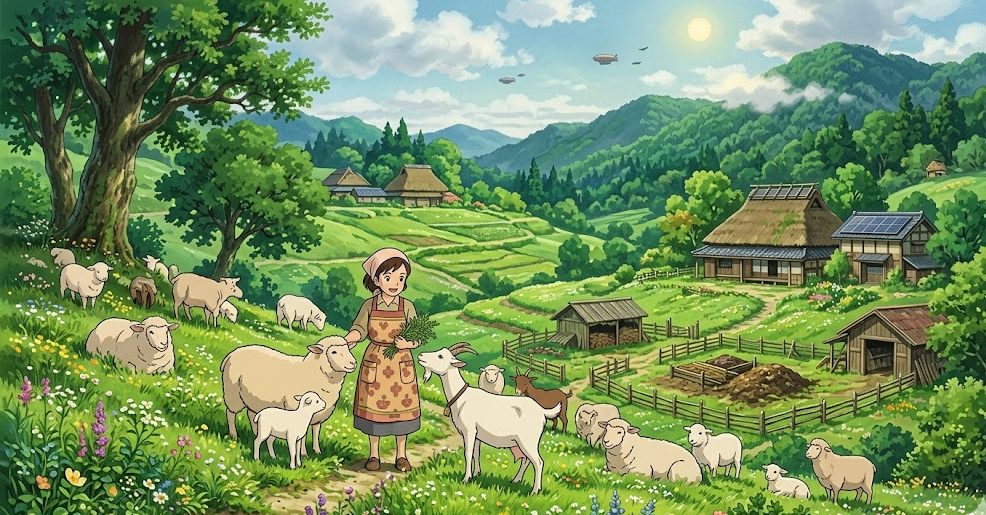
Sustainable farming is no longer just a “green” buzzword; it is a necessity for the modern producer. As global demand for ethically raised meat, fiber, and dairy grows, small ruminant farming (sheep and goats) stands out as a highly efficient way to utilize marginal lands. However, success depends on moving beyond traditional methods toward a holistic, science-based approach to breeding and management.
1. Defining Sustainability in Breeding
Sustainability in sheep and goat farming rests on three pillars: environmental health, economic profitability, and social responsibility (animal welfare). A sustainable breeding program doesn’t just aim for the heaviest animals; it aims for animals that thrive in their specific environment with minimal external inputs like synthetic dewormers or expensive grain concentrates.
2. Selection Criteria: Breeding for Resilience
The foundation of a sustainable flock or herd is the genetic makeup of your animals. Instead of chasing singular production traits, focus on Balanced Selection:
A. Parasite Resistance and Resilience
Internal parasites are the leading cause of economic loss in small ruminants.
- The Goal: Breed animals that can either resist infection or maintain productivity despite it.
- The Practice: Use the FAMACHA© scoring system to identify which animals require frequent treatment. “Cull the bottom 10%”—the individuals that are always sick—and keep replacements from those that never need deworming.
B. Mothering Ability and Lambing/Kidding Ease
A sustainable farm minimizes labor. You want ewes and does that deliver without assistance and have strong maternal instincts.
- Vigor: Select for offspring that stand and nurse within minutes of birth.
- Twinning: While multiples increase profit, ensure your land’s “carrying capacity” can support the nutritional demands of nursing twins without heavy grain supplementation.
C. Forage Conversion Efficiency
Sustainable farming relies on grass and browse. Genetic selection should favor “easy keepers”—animals that maintain a good Body Condition Score (BCS) on a forage-based diet.
3. Genetic Diversity and Crossbreeding
While purebred operations have their place, crossbreeding is a powerful tool for sustainability through Hybrid Vigor (Heterosis).
- Terminal Crossing: Crossing a hardy, maternal-base ewe with a fast-growing meat ram (like a Texel or Boer) produces offspring with superior growth rates for market.
- Inbreeding Avoidance: Maintain a diverse genetic pool to prevent “inbreeding depression,” which leads to reduced fertility and weakened immune systems.
4. Reproductive Management Practices
To ensure a steady cycle of production without exhausting your livestock, implement these best practices:
The “Flushing” Technique
Two to three weeks before breeding, increase the nutritional plane of the females. This boost in energy signals the body to release more ova, potentially increasing twinning rates. In a sustainable system, this is best done by moving them to a fresh, high-quality pasture rather than buying grain.
Controlled Breeding Seasons
Avoid “year-round” breeding. By using a controlled 45-to-60-day breeding window, you can:
- Synchronize births with the spring flush of grass.
- Manage the flock as a single nutritional group.
- Identify and cull “open” (non-pregnant) females quickly to save on winter feed costs.
5. Nutrition: The Fuel for Genetics
You cannot breed your way out of poor nutrition. However, sustainable nutrition focuses on Pasture Management:
- Rotational Grazing: Move animals frequently to break the parasite life cycle and prevent overgrazing.
- Silvopasture: Goats, in particular, benefit from browsing woody perennials and shrubs, which are often higher in minerals and tannins (which help naturally suppress parasites).
6. Health and Welfare: Prevention over Cure
A sustainable breeder views the vet as a consultant for wellness, not a firefighter for emergencies.
| Practice | Impact on Sustainability |
|---|---|
| Biosecurity | Prevents the introduction of chronic diseases like CL or CAE/OPP. |
| Vaccination | Targeted vaccines (like CD&T) prevent mass losses from preventable toxins. |
| Selective Culling | Removing chronically lame or low-producing animals improves the herd’s average health. |
Export to Sheets
7. The Role of Technology and Records
Sustainability requires data. You cannot manage what you do not measure.
- Record Keeping: Track birth weights, weaning weights, and dam performance.
- Estimated Breeding Values (EBVs): Use data-driven metrics to predict how a ram or buck’s offspring will perform. This removes the “guesswork” and “beauty pageant” aspect of breeding, focusing instead on measurable productivity.
8. Environmental Stewardship
Small ruminants can actually improve the land if managed correctly.
- Carbon Sequestration: Managed grazing helps build soil organic matter.
- Waste Management: Manure should be viewed as a high-value fertilizer. Composting bedding and manure kills weed seeds and pathogens, creating a “closed-loop” system where the farm’s waste feeds the next season’s grass.
9. Conclusion: The Long View
Sustainable sheep and goat breeding is about playing the “long game.” It requires the discipline to cull profitable but high-maintenance animals in favor of those that fit the environment. By focusing on parasite resistance, forage efficiency, and robust maternal traits, farmers can create a resilient system that is profitable today and preserved for future generations.
Final Thought: The most sustainable animal is the one that thrives on your specific acres with the least amount of “bottled” help. Breed for the farm you have, not the farm you wish you had.