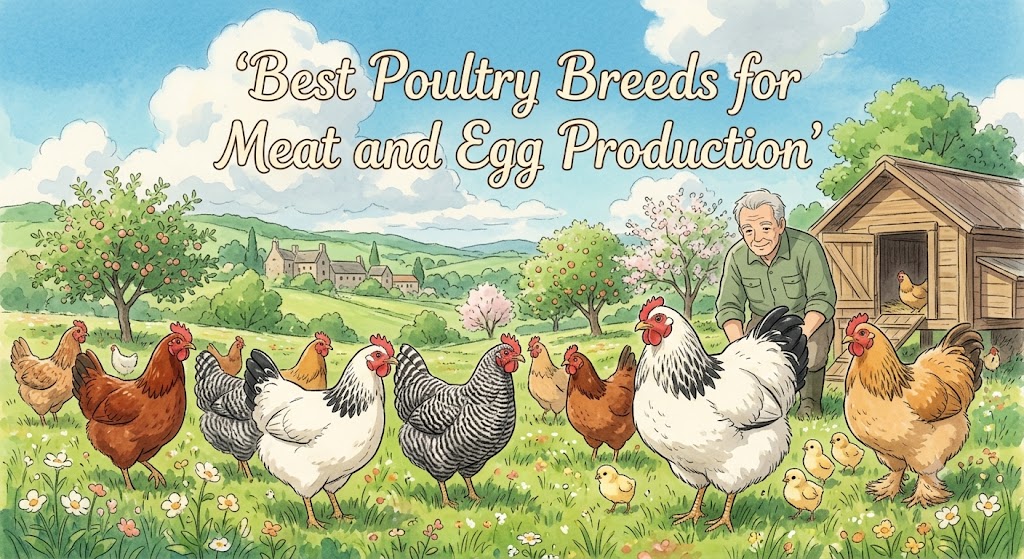
Choosing the right poultry breed is one of the most important decisions for a successful poultry farming business. The breed you select directly affects growth rate, egg production, feed efficiency, disease resistance, and overall profitability. While some breeds are specifically developed for producing large quantities of eggs, others are bred for rapid meat production. There are also dual-purpose breeds that perform well for both meat and eggs, making them ideal for small and medium-sized farms.
Understanding the strengths of different poultry breeds allows farmers to match their production goals with market demand. Whether you plan to sell fresh eggs, broiler meat, or both, selecting high-quality birds can significantly improve your farm’s productivity and long-term income.
Understanding Poultry Breed Categories
Poultry breeds generally fall into three main categories:
Egg-Producing Breeds
These breeds are developed to lay a high number of eggs while consuming relatively less feed. They are suitable for commercial layer farms.
Meat-Producing Breeds
These birds grow rapidly and convert feed efficiently into body weight, making them ideal for broiler production.
Dual-Purpose Breeds
Dual-purpose breeds provide a balance between egg production and meat quality. They are especially popular among backyard farmers and small-scale commercial producers.
Selecting the right category depends on your farming objectives, available resources, and local market demand.
Best Poultry Breeds for Egg Production
White Leghorn
White Leghorn is one of the world’s most productive egg-laying breeds and is widely used in commercial layer farming.
Key Features
- Produces around 280–320 eggs per year
- Excellent feed efficiency
- Early maturity
- Active and hardy birds
- White-shelled eggs
Their low feed consumption combined with high egg output makes them one of the most profitable choices for egg producers.
Rhode Island Red
Rhode Island Red is a popular dual-purpose breed known for its consistent egg production and adaptability.
Advantages
- Around 250–300 eggs annually
- Brown eggs
- Strong disease resistance
- Good adaptability to different climates
- Easy to manage
These birds perform well under both commercial and free-range systems.
Australorp
Australorp chickens are admired for their calm temperament and excellent laying performance.
Benefits
- Approximately 250–300 eggs each year
- Brown eggs
- Friendly nature
- Efficient feed conversion
- Suitable for backyard and commercial farms
Their combination of productivity and ease of management makes them a favorite among many farmers.
ISA Brown
ISA Brown is a commercial hybrid developed specifically for maximum egg production.
Highlights
- Up to 320 eggs annually
- Early egg production
- Excellent feed efficiency
- High laying consistency
- Calm behavior
ISA Browns are widely used in intensive layer operations around the world.
Best Poultry Breeds for Meat Production
Cornish Cross
Cornish Cross is the leading commercial broiler breed due to its rapid growth and excellent meat yield.
Main Features
- Market-ready in about 6–8 weeks
- Fast weight gain
- High feed efficiency
- Large breast meat
- Excellent commercial profitability
Most commercial chicken meat available today comes from Cornish Cross broilers.
Jersey Giant
Despite growing more slowly than commercial broilers, Jersey Giants produce high-quality meat and reach impressive body weights.
Advantages
- Large body size
- Good meat quality
- Calm temperament
- Strong adaptability
- Suitable for small farms
Their slower growth is often balanced by superior meat texture.
Freedom Ranger
Freedom Rangers are well suited for pasture-based and free-range production systems.
Benefits
- Better for outdoor farming
- Good meat flavor
- Strong foraging ability
- Moderate growth rate
- Improved disease resistance
They are popular among farmers supplying premium free-range poultry markets.
Best Dual-Purpose Poultry Breeds
Plymouth Rock
Plymouth Rock chickens are one of the best choices for farmers who want both eggs and meat.
Features
- Produces around 220–280 eggs yearly
- Good body size
- Friendly temperament
- Excellent adaptability
- Suitable for beginners
They are reliable performers under various farming conditions.
Sussex
Sussex chickens are valued for both egg production and high-quality meat.
Advantages
- Around 240–280 eggs annually
- Fast-growing chicks
- Calm behavior
- Strong disease resistance
- Efficient foragers
Their versatility makes them suitable for mixed farming systems.
New Hampshire Red
Developed from Rhode Island Red, this breed grows faster while maintaining good laying ability.
Benefits
- Strong meat production
- Good egg yield
- Hardy birds
- Easy management
- Suitable for different climates
They are an excellent option for small commercial poultry farms.
Factors to Consider When Choosing a Poultry Breed
Before purchasing birds, evaluate the following:
Production Goal
Decide whether your primary focus is egg production, meat production, or a combination of both.
Climate
Choose breeds that perform well in your local weather conditions. Heat-tolerant birds generally perform better in tropical regions, while some breeds thrive in cooler climates.
Feed Availability
High-performing breeds require balanced nutrition. Ensure you have reliable access to quality poultry feed throughout the year.
Market Demand
Understand what customers in your area prefer. Some markets value larger broilers, while others pay premium prices for free-range eggs or specialty poultry products.
Budget
Commercial hybrids often deliver excellent productivity but may require more intensive management. Dual-purpose breeds can be a practical choice for farmers starting with limited resources.
Tips for Maximizing Poultry Productivity
Even the best breed requires proper care to perform at its full potential.
Important management practices include:
- Provide balanced nutrition.
- Ensure continuous access to clean water.
- Maintain clean and well-ventilated housing.
- Follow vaccination schedules.
- Prevent overcrowding.
- Practice good farm hygiene.
- Monitor bird health daily.
- Keep accurate production records.
Consistent management helps improve both productivity and profitability.
Common Mistakes to Avoid
Many farmers reduce production through avoidable errors.
Avoid:
- Choosing breeds unsuitable for your climate
- Purchasing chicks from unreliable suppliers
- Feeding low-quality diets
- Ignoring disease prevention
- Poor sanitation
- Inadequate ventilation
- Delayed health treatment
- Overcrowded housing
Preventing these mistakes helps maintain healthier birds and stronger financial returns.
Conclusion
Selecting the best poultry breed is the foundation of a productive and profitable poultry farming business. White Leghorn, ISA Brown, Rhode Island Red, and Australorp are excellent choices for high egg production, while Cornish Cross remains the industry standard for commercial meat production. Farmers seeking flexibility may benefit from dual-purpose breeds such as Plymouth Rock, Sussex, and New Hampshire Red.
The ideal breed depends on your production goals, local climate, available resources, and target market. When combined with proper nutrition, good housing, preventive healthcare, and effective farm management, quality poultry breeds can deliver excellent meat yields, consistent egg production, and sustainable long-term profits.