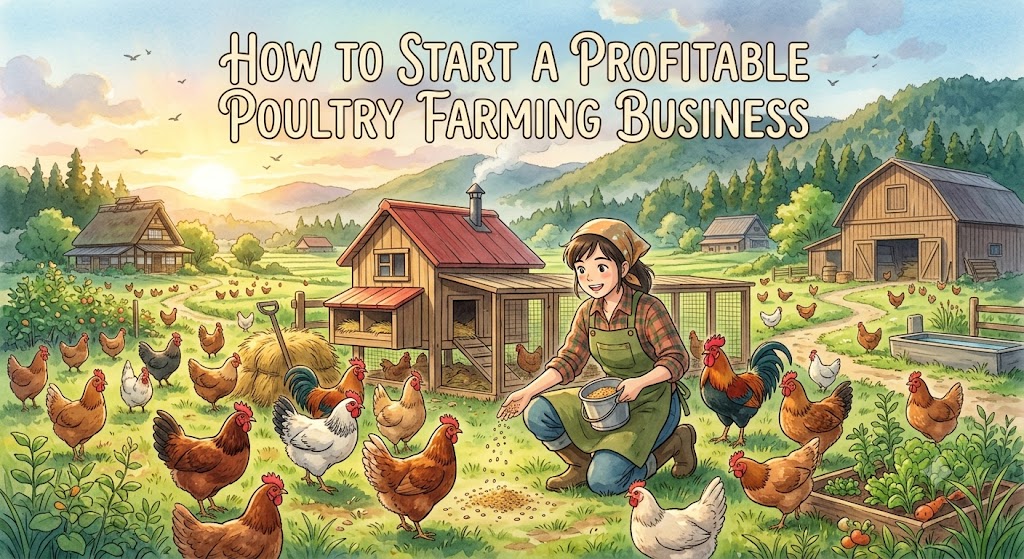
Poultry farming has become one of the fastest-growing agricultural businesses worldwide, offering excellent opportunities for both small-scale and commercial farmers. With increasing demand for chicken meat and eggs, a well-managed poultry farm can generate a steady income throughout the year. However, profitability depends on careful planning, proper management, disease prevention, and selecting the right production system.
Whether you are starting with a few hundred birds or planning a large commercial operation, understanding the fundamentals of poultry farming is essential. By investing in quality chicks, nutritious feed, proper housing, and efficient management practices, new farmers can build a sustainable business with long-term growth potential.
Understand the Different Types of Poultry Farming
Before investing, decide which type of poultry farming best matches your budget, market demand, and available resources.
Broiler Farming
Broilers are raised for meat production and typically reach market weight within 5 to 7 weeks. This system provides faster returns and is popular among commercial farmers.
Layer Farming
Layer hens are raised for egg production. Although they require more time before they begin laying, they provide a consistent source of income over many months.
Dual-Purpose Breeds
Some breeds are suitable for both meat and egg production, making them a practical option for small farms.
Choosing the right production system is the first step toward building a profitable poultry business.
Conduct Market Research
A successful poultry farm begins with understanding your local market.
Research should include:
- Demand for chicken meat or eggs
- Local selling prices
- Nearby competitors
- Feed availability
- Veterinary services
- Transportation costs
- Potential buyers such as retailers, restaurants, hotels, and wholesalers
Knowing your market helps you estimate production costs and expected profits while reducing business risks.
Create a Business Plan
A detailed business plan serves as a roadmap for your farm.
Include information such as:
- Farm objectives
- Investment budget
- Housing costs
- Equipment requirements
- Feed expenses
- Labor costs
- Marketing strategy
- Risk management plan
- Estimated income and expenses
Planning ahead helps avoid unnecessary spending and supports better financial decisions.
Choose a Suitable Farm Location
Location plays a major role in poultry health and operational efficiency.
A good site should have:
- Reliable clean water supply
- Electricity
- Good road access
- Proper drainage
- Adequate ventilation
- Distance from residential areas
- Protection from flooding
The location should also allow future expansion as your business grows.
Build Proper Poultry Housing
Comfortable housing keeps birds healthy, reduces stress, and improves productivity.
Essential features include:
- Good ventilation
- Dry flooring
- Easy cleaning
- Protection from predators
- Adequate lighting
- Sufficient space for birds
- Proper temperature control
Avoid overcrowding, as it increases disease risk and reduces growth performance.
Select Healthy Chicks
Buying quality day-old chicks from reputable hatcheries significantly improves production results.
Healthy chicks should have:
- Bright eyes
- Active movement
- Clean feathers
- Strong legs
- No physical deformities
- Uniform size
Investing in healthy birds reduces mortality and improves overall farm profitability.
Provide Balanced Nutrition
Feed is the largest operating cost in poultry farming, but it is also the most important factor influencing growth and egg production.
Birds require:
- Protein
- Energy
- Vitamins
- Minerals
- Clean drinking water
Different growth stages require different feed formulations, including starter, grower, and finisher feeds for broilers, or chick, grower, and layer feeds for egg-producing birds.
Providing balanced nutrition ensures better weight gain, stronger immunity, and improved production.
Maintain Clean Water Supply
Clean water is just as important as quality feed.
Ensure that:
- Water is available at all times.
- Drinkers are cleaned daily.
- Water sources remain free from contamination.
- Extra water is provided during hot weather.
Poor water quality can quickly lead to health problems and reduced productivity.
Implement Strong Biosecurity Measures
Disease outbreaks can cause major financial losses. Preventing disease is far more effective than treating it.
Biosecurity practices include:
- Restricting visitor access
- Disinfecting equipment
- Cleaning poultry houses regularly
- Isolating sick birds
- Controlling rodents and insects
- Using clean footwear inside poultry houses
Good biosecurity protects the entire flock and reduces the risk of costly outbreaks.
Follow a Vaccination Program
Vaccination helps protect birds against common poultry diseases.
Work with a veterinarian to develop a schedule based on local disease risks. Combine vaccination with regular health monitoring, parasite control, and prompt treatment when illness is detected.
Healthy birds grow faster, produce more efficiently, and require fewer medical interventions.
Monitor Growth and Production
Regular monitoring allows farmers to identify problems before they become serious.
Track:
- Feed consumption
- Water intake
- Daily mortality
- Body weight
- Egg production (for layers)
- Feed conversion efficiency
Keeping accurate records helps improve future management decisions and profitability.
Manage Farm Waste Responsibly
Proper waste management benefits both the environment and the farm.
Useful practices include:
- Composting poultry manure
- Maintaining dry litter
- Proper disposal of dead birds
- Regular cleaning of sheds
- Odor control
Poultry manure can also become an additional income source when sold as organic fertilizer.
Develop a Marketing Strategy
Having reliable buyers before production begins reduces marketing challenges.
Potential customers include:
- Local markets
- Grocery stores
- Restaurants
- Hotels
- Food processors
- Wholesale distributors
- Direct consumers
Building strong relationships with buyers encourages repeat business and stable income.
Estimate Costs and Profits
Understanding financial performance is essential for long-term success.
Major expenses include:
- Chicks
- Feed
- Housing
- Equipment
- Vaccinations
- Labor
- Utilities
- Transportation
Income depends on:
- Meat sales
- Egg sales
- Manure sales
- Breeding stock (if applicable)
Regular financial analysis helps identify areas where costs can be reduced without affecting bird health or productivity.
Common Mistakes to Avoid
Many new poultry farmers make avoidable errors that reduce profits.
Avoid:
- Buying low-quality chicks
- Overcrowding birds
- Feeding poor-quality diets
- Ignoring vaccination schedules
- Poor ventilation
- Dirty water systems
- Weak biosecurity
- Inadequate record keeping
Addressing these issues early helps maintain a healthier flock and more consistent returns.
Tips for Long-Term Success
To build a profitable poultry farming business:
- Start with a manageable flock size.
- Focus on bird health and welfare.
- Maintain strict hygiene standards.
- Purchase quality feed and chicks.
- Keep detailed production records.
- Learn continuously about modern farming practices.
- Build trusted relationships with suppliers and buyers.
Consistent management and attention to detail are often the biggest differences between successful farms and struggling ones.
Conclusion
Starting a profitable poultry farming business requires careful planning, quality management, and a commitment to continuous improvement. From selecting healthy chicks and providing balanced nutrition to maintaining clean housing and implementing strong biosecurity measures, every decision affects the success of the farm.
By understanding market demand, controlling production costs, and prioritizing bird health, poultry farmers can build a sustainable business that generates reliable income year after year. With patience, good management, and a focus on quality, poultry farming can become a rewarding and profitable agricultural enterprise.