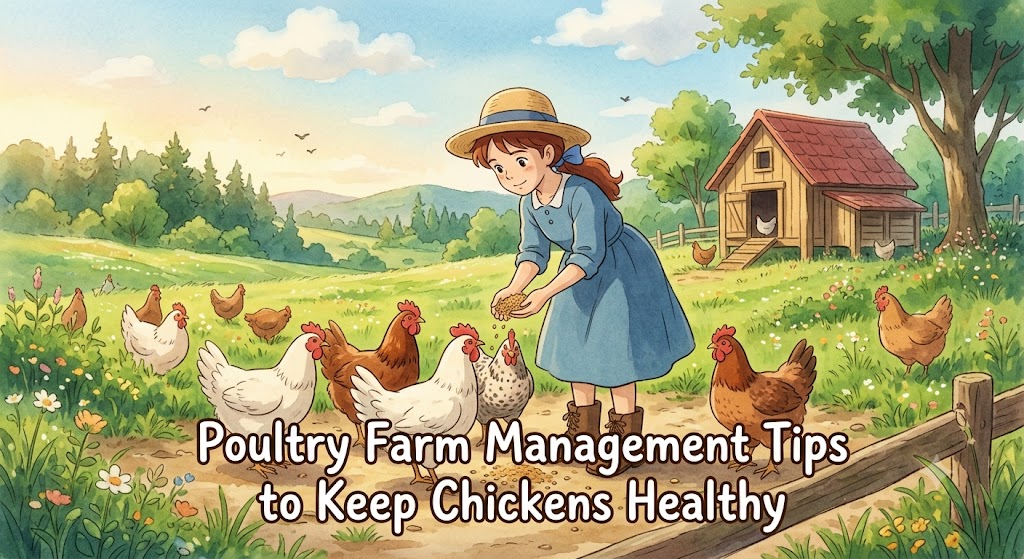
Healthy chickens are the foundation of a successful poultry farming business. Whether you raise broilers for meat or layers for egg production, proper farm management directly affects bird health, productivity, and profitability. Poor housing, unbalanced nutrition, inadequate hygiene, or delayed disease control can lead to lower growth rates, reduced egg production, and significant financial losses.
Modern poultry farming focuses on prevention rather than treatment. By providing a clean environment, balanced nutrition, quality healthcare, and consistent daily management, farmers can reduce mortality, improve feed efficiency, and maximize long-term returns. Whether you operate a backyard flock or a commercial poultry farm, following proven management practices helps build a healthier and more productive operation.
Start with Healthy Chicks
Every successful poultry farm begins with quality birds. Purchase day-old chicks only from trusted hatcheries with a good reputation for producing healthy and vaccinated stock.
Healthy chicks should have:
- Bright, clear eyes
- Clean feathers
- Strong legs
- Active movement
- Uniform size
- No visible injuries or deformities
Starting with healthy chicks reduces the risk of disease outbreaks and improves survival rates.
Build a Clean and Comfortable Poultry House
A well-designed poultry house protects birds from harsh weather, predators, and disease while creating a comfortable environment for growth.
Key housing features include:
- Good ventilation
- Dry flooring
- Leak-proof roofing
- Proper drainage
- Comfortable bedding
- Adequate lighting
- Protection from wild birds and rodents
Avoid overcrowding, as it increases stress, encourages disease spread, and reduces overall productivity.
Maintain Proper Temperature and Ventilation
Temperature management is especially important for young chicks.
High temperatures may cause:
- Heat stress
- Reduced feed intake
- Slower growth
- Lower egg production
Cold temperatures can lead to:
- Chilling
- Weak immunity
- Increased mortality
Good airflow removes excess moisture, ammonia, and harmful gases while supplying fresh oxygen throughout the poultry house.
Provide a Balanced Diet
Nutrition plays the biggest role in keeping chickens healthy and productive.
A balanced poultry diet should contain:
- Protein
- Carbohydrates
- Healthy fats
- Vitamins
- Minerals
- Essential amino acids
Different growth stages require different feed formulations.
Typical feeding program:
- Starter feed for chicks
- Grower feed for developing birds
- Finisher feed for broilers
- Layer feed for egg-producing hens
Avoid sudden feed changes, as they may cause digestive problems and reduce performance.
Ensure Continuous Access to Clean Water
Water is essential for digestion, body temperature regulation, and egg production.
Good water management includes:
- Providing fresh water at all times
- Cleaning drinkers daily
- Preventing contamination
- Increasing water availability during hot weather
Dirty water often spreads bacteria and parasites that can quickly affect the entire flock.
Practice Strict Farm Hygiene
Cleanliness is one of the most effective ways to prevent disease.
Daily hygiene practices should include:
- Removing wet litter
- Cleaning feeders and drinkers
- Disinfecting equipment
- Removing manure regularly
- Washing hands before handling birds
- Keeping feed storage clean and dry
A clean environment supports healthy birds and better production.
Follow a Vaccination Schedule
Vaccination helps protect chickens against many common poultry diseases.
Work with a qualified veterinarian to establish a vaccination program based on local disease risks.
Common preventive practices include:
- Routine vaccinations
- Regular deworming
- Parasite control
- Health inspections
- Early disease detection
Preventive healthcare is generally more effective and less expensive than treating serious outbreaks.
Strengthen Farm Biosecurity
Biosecurity prevents harmful pathogens from entering your poultry farm.
Effective biosecurity measures include:
- Limiting visitor access
- Using disinfectant footbaths
- Cleaning vehicles entering the farm
- Isolating new birds before mixing them with the flock
- Keeping wild birds away from poultry houses
- Controlling rodents and insects
Strong biosecurity greatly reduces the risk of disease transmission.
Observe Chickens Every Day
Daily observation helps identify health problems before they spread.
Watch for signs such as:
- Loss of appetite
- Reduced water consumption
- Sneezing or coughing
- Swollen eyes
- Diarrhea
- Lameness
- Poor feather condition
- Sudden drop in egg production
Early detection allows prompt treatment and minimizes losses.
Keep Bedding Dry
Wet litter creates ideal conditions for bacteria, fungi, and parasites.
Maintain bedding by:
- Replacing wet sections promptly
- Using absorbent materials
- Preventing water leaks
- Improving ventilation
- Turning litter regularly
Dry bedding also reduces ammonia levels and improves bird comfort.
Reduce Stress
Stress weakens the immune system and negatively affects production.
Common stress factors include:
- Overcrowding
- Sudden feed changes
- Loud noises
- Poor ventilation
- Heat stress
- Rough handling
Maintaining a calm and consistent environment keeps birds healthier and more productive.
Control Parasites and Pests
External and internal parasites can reduce growth and egg production.
Prevent problems by:
- Deworming regularly
- Controlling mites and lice
- Eliminating standing water
- Keeping feed secure
- Managing rodents
- Cleaning surrounding areas
Routine parasite control supports better flock performance.
Keep Accurate Farm Records
Record keeping helps farmers monitor flock performance and make informed decisions.
Track information such as:
- Feed consumption
- Water intake
- Mortality rates
- Vaccination dates
- Medication records
- Egg production
- Growth rates
- Financial expenses
Analyzing records helps identify trends and improve management over time.
Train Farm Workers
Well-trained workers contribute to healthier birds and better productivity.
Training should cover:
- Proper feeding techniques
- Safe bird handling
- Hygiene standards
- Disease recognition
- Cleaning procedures
- Emergency response
Consistent management reduces mistakes and improves overall farm efficiency.
Common Mistakes to Avoid
Many poultry health problems result from preventable management errors.
Avoid:
- Buying unhealthy chicks
- Poor ventilation
- Dirty drinking water
- Overcrowded housing
- Delayed vaccinations
- Weak biosecurity
- Poor-quality feed
- Ignoring early signs of illness
Correcting these issues early can significantly improve flock health and farm profitability.
Conclusion
Healthy chickens are the result of consistent care, proper nutrition, clean housing, and strong disease prevention practices. Successful poultry farmers focus on maintaining excellent hygiene, providing balanced feed, ensuring access to clean water, and monitoring bird health every day.
By following these poultry farm management tips, farmers can reduce disease outbreaks, improve growth rates, increase egg production, and build a more profitable and sustainable poultry farming business. Small improvements made consistently can have a lasting impact on flock health and overall farm success.