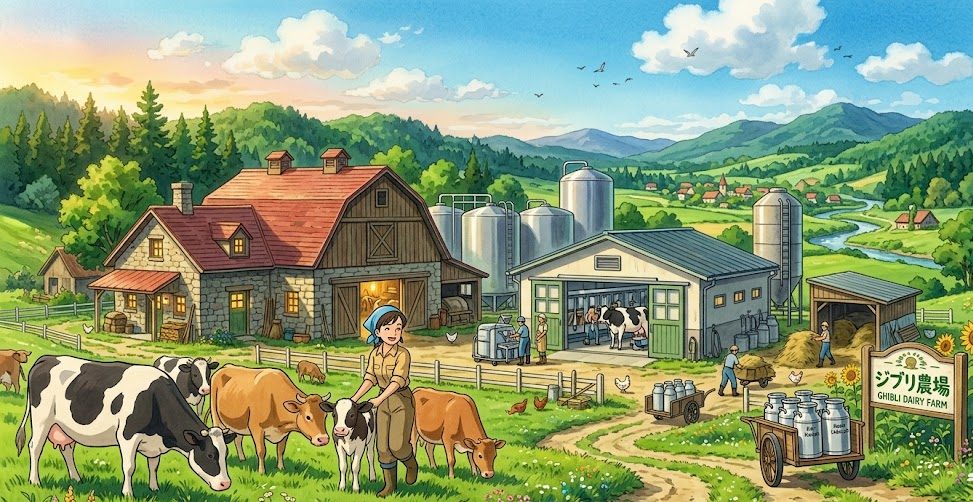
Stepping into the world of commercial dairy farming is one of the most exciting, demanding, and sustainable business decisions an agricultural entrepreneur can make. Milk and its derivatives—like cheese, butter, and yogurt—are daily dietary staples across the globe. This creates a highly reliable, year-round market that doesn’t suffer from the extreme seasonal price drops seen in traditional crop farming.
However, operating a successful dairy facility is far more complex than just buying a few cows and hooked-up milking machines.
A modern dairy farm operates like a finely tuned manufacturing plant where the “workers” are living, breathing animals. High milk yields do not happen by luck; they are the direct result of strict animal comfort, precision nutrition tracking, and highly sanitary milk production management.
If you are planning to launch a new commercial dairy business or want to optimize an existing herd, this comprehensive guide covers the operational secrets required to build a highly profitable, high-yielding dairy enterprise.
1. Choosing Your Foundation: Selecting the Right Dairy Breed
The very first decision that will dictate your daily milk volumes and profit margins is your choice of cattle genetics. Different breeds thrive in different environments and fulfill distinct market needs.
High-Volume Giants: Holsteins
If your business model focuses entirely on fluid milk volume, Holstein-Friesian cattle are the global industry standard. These iconic black-and-white cows produce the highest volume of milk per lactation cycle of any breed on Earth. However, their milk generally features a lower percentage of butterfat and protein.
High-Quality Specialists: Jerseys
If your local market pays a premium for rich milk quality, or if you plan to process your milk into cheese and butter on-site, Jersey cows are an exceptional choice.
- The Perks: Their milk contains incredibly high levels of butterfat and solids-not-fat (SNF).
- The Operational Advantage: Jerseys are smaller, require less daily feed, possess high heat tolerance, and experience fewer calving complications than larger breeds.
2. Precision Nutrition: The Total Mixed Ration (TMR) Method
In commercial dairy farming, feed represents up to 60% of your total operational costs. Feeding your cows random grasses or guessing their grain portions is a quick path to financial loss. To get maximum milk output, professionals rely on a system called Total Mixed Ration (TMR).
What is a TMR System?
Instead of letting cows graze freely and choose what they want to eat, a TMR system combines all forages, grains, vitamins, minerals, and protein supplements into a single, uniform mix. This is typically processed using a specialized vertical mixer wagon.
Balancing the Diet for Peak Lactation
Every bite a dairy cow takes must feature a precise balance of:
- Dry Matter Intake (DMI): High-quality alfalfa, corn silage, or native grasses that provide essential fiber to keep the cow’s rumen running cleanly.
- Concentrates: Grains like crushed corn, soybean meal, and cottonseeds that provide the dense energy required to fuel heavy milk synthesis.
Pro Tip: Never change a high-producing cow’s feed mix suddenly. The microbes inside her stomach need up to two weeks to adjust to new ingredients. Any sudden shift can cause a drop in milk production or trigger a dangerous digestive illness called acidosis.
3. Creating a 5-Star Hotel: Mastering Cow Comfort
A stressed, hot, or uncomfortable cow will never produce premium milk volumes. When a cow is stressed, her body releases a hormone called cortisol, which actively shuts down her milk let-down reflex.
Preventing Heat Stress
Dairy cows generate a massive amount of internal body heat while digesting their food. When ambient temperatures rise past 22°C (72°F), they easily experience heat stress.
[Ambient Heat Rises] ➔ [Cow Panting & Discomfort] ➔ [Cortisol Release & Lower Feed Intake] ➔ [Immediate Drop in Milk Volume]
To combat this, modern barns utilize high-volume low-speed (HVLS) ceiling fans paired with automated water misters over the feeding lanes. This active cooling cycle allows the cows to drop their core temperature and spend more time eating comfortably.
The Importance of Rest: Stall Bedding
A dairy cow needs to lie down for 12 to 14 hours every day. When a cow is resting, blood flow to her udder increases by up to 30%, which directly stimulates milk production. Use deep, clean sand or thick vulcanized rubber mats topped with dry sawdust in your stalls. Clean bedding prevents bacteria from entering the teat canals, protecting the herd from mastitis.
4. Milk Production Management: The Clean Room Protocol
The milking parlor is the financial engine room of your commercial dairy farming business. Maintaining strict hygiene protocols here ensures your milk passes strict bacterial checks and achieves top-tier market prices.
The 4-Step Milking Routine
To prevent cross-contamination and keep the herd healthy, your milking team should follow a strict, unhurried workflow:
- Forestripping: Express two or three squirts of milk from each teat into a black-bottomed cup. This allows you to visually inspect the milk for clots or flakes (early signs of infection) and flushes out any bacteria sitting in the tip of the teat canal.
- Pre-Dipping: Dip all four teats into a fast-acting disinfectant solution (usually containing iodine or chlorine dioxide) and let it sit for 30 seconds to kill surface bacteria.
- Drying: Use a single-use, clean paper towel per cow to wipe the disinfectant completely dry. Never use the same towel on two different cows.
- Attachment and Post-Dipping: Attach the automated milking claws gently. Once the machine automatically detaches when milk flow stops, immediately dip the teats again in a thick, skin-conditioning post-dip solution to seal the open teat canal while the animal walks back to the feeding lanes.
Conclusion: The Path to Dairy Prosperity
Commercial dairy farming is a lifestyle of absolute consistency. It requires showing up for your animals at the exact same hours, every single day of the year. By selecting the right cattle breeds, tracking their nutritional intake with a precise TMR plan, prioritizing cow comfort above all else, and keeping your milking parlor flawlessly clean, you build an asset that generates an ongoing stream of premium food revenue. Start with manageable numbers, prioritize data tracking over guesswork, and watch your dairy enterprise become a cornerstone of your agricultural success.
Frequently Asked Questions (FAQs)
1. How many times a day should commercial dairy cows be milked?
Most commercial dairy operations milk their cows two or three times a day. Moving from a twice-a-day schedule to a three-times-a-day schedule can increase your overall herd milk volume by 10% to 15%. However, it also increases your daily labor costs and electricity usage, so you must calculate the trade-off carefully.
2. What is mastitis and how do I prevent it?
Mastitis is a painful bacterial infection of the cow’s udder tissue, and it is the single most expensive disease in the dairy industry. It causes milk to clump, reduces yield, and forces you to dump unsellable milk. Prevention relies on absolute cleanliness: keeping stall bedding bone dry, using effective teat dips, and maintaining proper vacuum pressure on your milking equipment.
3. How long does a dairy cow continue to produce milk?
A dairy cow begins producing milk after giving birth to her first calf (usually around two years of age). A typical commercial lactation cycle lasts for 305 days. After this, she is given a two-month “dry period” to rest and rebuild her body reserves before calving again. Most commercial cows remain highly productive for 3 to 5 lactation cycles.
4. What is a good average daily milk yield per cow?
Daily yields vary dramatically based on breed, climate, and management. A well-managed Holstein cow on a commercial farm can easily average 30 to 40 liters (8 to 10 gallons) of milk per day during her peak lactation weeks. Jersey cows generally average slightly less, around 20 to 28 liters per day, but their milk carries higher financial value due to its fat density.
5. Do I need to build a fully enclosed, air-conditioned barn for my cows?
Not necessarily. While fully enclosed tunnel-ventilated barns are popular in extreme climates, many successful commercial dairy farms use simple open-sided free-stall structures. These provide a solid roof to block direct sunlight and rainfall while allowing natural cross-winds to circulate freely, making them much cheaper to build and operate.