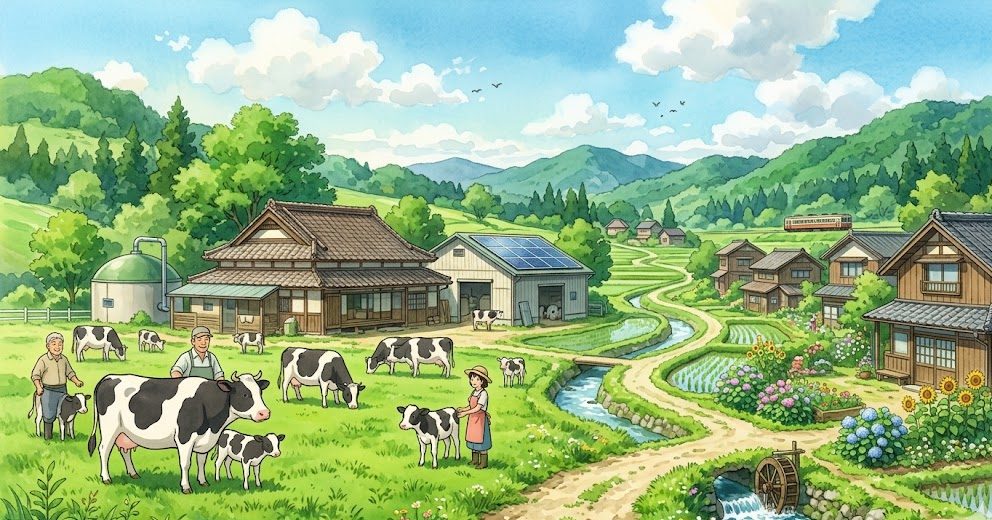
The global dairy industry is undergoing a massive transformation. What started decades ago as a quest to increase milk volume—historically known as the White Revolution—has evolved into a sophisticated, tech-driven sector. Today, dairy farming is no longer just about the number of cows in a barn; it is about maximizing yield per animal while minimizing the environmental footprint.
With a rising global population and an increasing demand for nutrient-rich dairy products, farmers face a dual challenge: optimizing production and ensuring sustainability. This article explores the modern practices, cutting-edge technologies, and sustainable strategies that are shaping the future of high-yield dairy farming.
1. Precision Livestock Farming (PLF) and Digitalization
The integration of technology into daily barn operations is the cornerstone of the modern White Revolution. Precision Livestock Farming (PLF) utilizes data-driven tools to monitor livestock in real-time, treating each cow as an individual.
- Smart Wearables and Collars: Much like fitness trackers for humans, modern dairy cows wear smart collars or ear tags. These devices monitor rumination time, eating habits, heat detection, and overall activity. A sudden drop in rumination often alerts farmers to potential health issues days before physical symptoms appear.
- Automated Milking Systems (AMS): Also known as robotic milking, AMS allows cows to decide when they want to be milked. This reduces animal stress, saves labor costs, and increases milking frequency, which naturally boosts daily milk yields by up to 10–15%.
- Data Analytics Software: Centralized software compiles data from milking robots, feeders, and wearables. Farmers can analyze trends, predict milk output, and make informed management decisions instantly.
2. Advanced Nutritional Management: Feeding for Yield
Milk production is directly linked to what goes into the animal’s digestive system. Modern dairy nutrition focuses on precision feeding to optimize rumen health and maximize milk components (fat and protein).
Total Mixed Ration (TMR)
The standard for high-yield farming is Total Mixed Ration (TMR). This practice involves thoroughly mixing forages, grains, vitamins, and minerals into a single blend. TMR prevents cows from selectively eating only the tasty parts of their feed, ensuring every bite provides a balanced diet.
Nutritional Additives and Supplements
To push production boundaries safely, nutritionists incorporate specific additives:
- Bypass Fats and Proteins: These nutrients bypass the rumen and are digested directly in the abomasum, providing dense energy without disrupting rumen microbes.
- Probiotics and Prebiotics: These stabilize the gut microbiome, improving feed conversion efficiency—meaning the cow produces more milk from less feed.
3. Genetic Advancement and Selective Breeding
The foundation of a high-yielding herd lies in its DNA. Modern reproductive technologies have made it possible to accelerate genetic progress exponentially.
- Genomic Testing: By analyzing a calf’s DNA at birth, farmers can predict her future milk yield, fertility, and disease resistance long before she enters the milking herd. This allows for highly selective herd building.
- Sexed Semen: Utilizing sexed semen ensures a 90% or higher probability of heifer (female) calves. This accelerates herd growth and eliminates the economic burden of managing unwanted male calves.
- Crossbreeding for Resilience: While Holsteins remain the queens of milk volume, crossbreeding them with jerseys or Scandinavian reds is becoming popular. The resulting crossbred cows often boast higher milk solids, better fertility, and superior health (hybrid vigor).
4. Prioritizing Animal Welfare and Comfort
A stressed cow will never reach her genetic potential for milk production. Modern dairy design prioritizes “cow comfort” as a direct driver of profitability.
The Golden Rule of Dairy Farming: A comfortable cow is a productive cow. When a cow is lying down, blood flow to her udder increases by up to 30%, which directly stimulates milk synthesis.
To achieve this, modern farms implement:
- Ergonomic Housing: Free-stall barns with deep sand bedding or memory-foam mattresses allow cows to rest for the recommended 12–14 hours a day.
- Climate Control Systems: Dairy cows thrive in cooler temperatures and suffer easily from heat stress. High-volume fans, automated misting systems, and smart ventilation keep barns cool during hot seasons, preventing the summer slump in milk production.
- Proper Lighting Protocols: Implementing 16 hours of bright light followed by 8 hours of darkness simulates eternal spring, which naturally stimulates the hormones responsible for milk production.
5. Sustainable Dairy Farming: The Green Revolution inside the White
High yield cannot come at the cost of the planet. Sustainable dairy farming practices are essential for long-term viability, regulatory compliance, and meeting consumer demands for eco-friendly products.
Waste-to-Energy: Anaerobic Digesters
Manure management is one of the biggest environmental challenges in dairy farming. Modern mega-farms utilize anaerobic digesters to capture methane emissions from manure. This methane is converted into renewable natural gas (RNG) or electricity, turning a waste liability into a lucrative revenue stream.
Water Conservation and Recycling
Dairy farms require massive amounts of water for drinking, cooling, and cleaning. Sustainable farms use a “Parallel Loop” water system. For instance, water used to cool the milk via plate coolers is recycled as drinking water for the cows or used to flush the barn floors.
Regenerative Forage Production
Sustainable dairying extends to the fields where feed is grown. Implementing cover crops, no-till farming, and utilizing digested manure as organic fertilizer restores soil health, sequesters carbon, and reduces reliance on chemical fertilizers.
Summary Matrix: Yield vs. Sustainability
| Focus Area | High-Yield Practice | Sustainable Benefit |
| Nutrition | Precision TMR feeding | Reduces methane emission per kg of milk |
| Technology | Robotic Milking (AMS) | Lowers energy use per milking cycle |
| Waste | Frequent alley scraping | Feeds anaerobic digesters for green energy |
| Genetics | Breeding for feed efficiency | Fewer cows needed to produce the same volume |
Conclusion: The Path Forward
The modern White Revolution is a delicate balancing act between high-tech optimization and ecological stewardship. By embracing precision agriculture, maximizing cow comfort, leveraging genomic science, and adopting circular economy principles like methane digestion, the dairy industry can thrive.
For the modern dairy farmer, the goal is clear: producing every drop of milk with higher efficiency, better animal welfare, and a smaller carbon footprint. The future of dairy is bright, high-yielding, and undeniably sustainable.