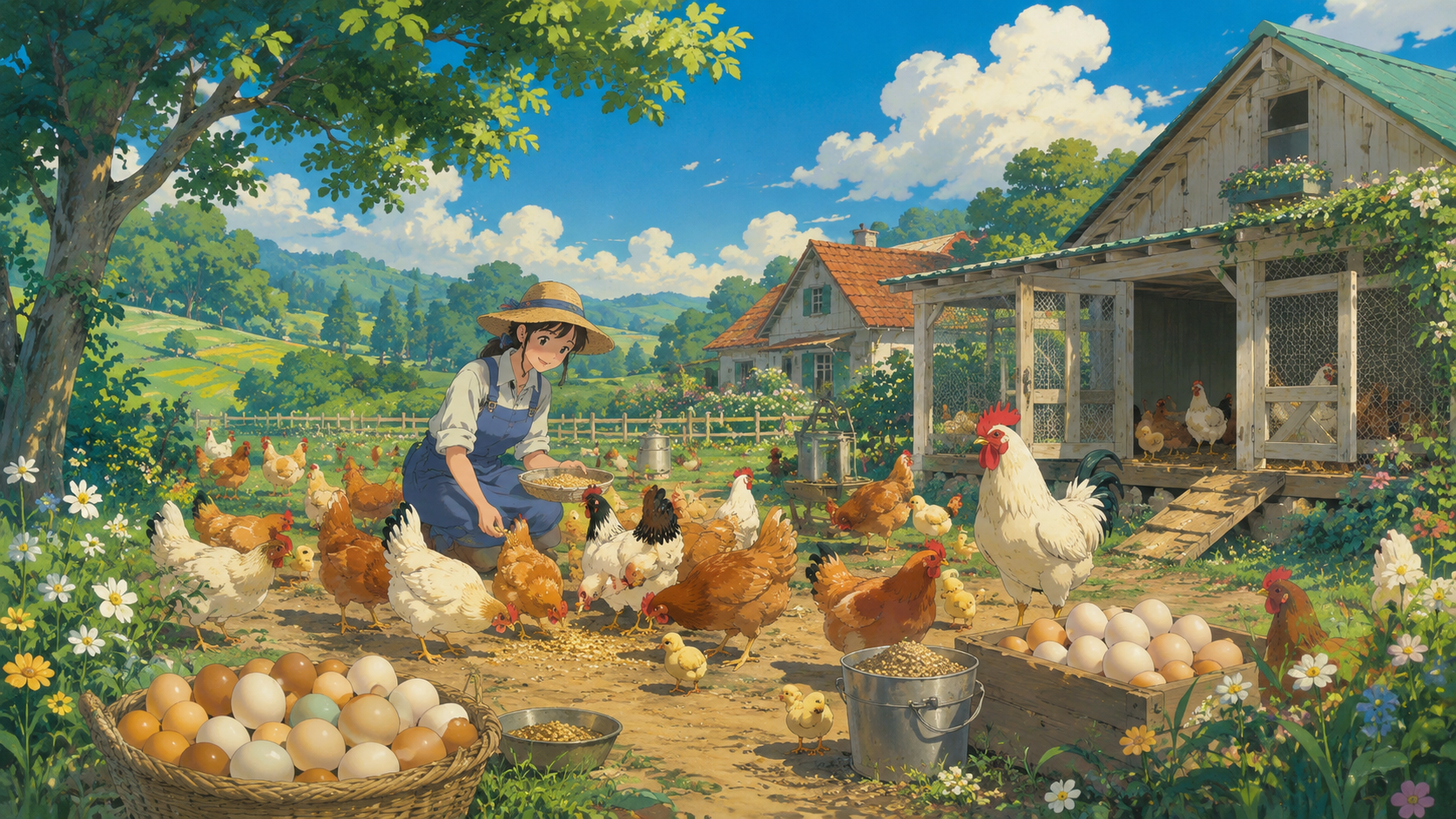
Walking into a lively, noisy poultry house where the birds are active and feeding well is one of the most rewarding experiences for any farmer. However, getting to that point requires more than just buying chicks and throwing feed on the ground. Raising poultry is a careful balancing act. If the birds are stressed or sick, your feed costs will rise while your production drops.
Whether you are raising broilers for meat or layers for eggs, the core rule of poultry farming remains the same: the health of your flock directly determines the size of your profit. Healthy birds grow faster, lay more eggs, and require fewer expensive medications. By focusing on practical, daily management, you can build a highly efficient farm that produces consistent income. Here is a comprehensive guide to managing your flock for maximum health and profitability.
The Foundation of a Profitable Poultry Farm
Success in poultry farming starts long before the chicks arrive. It is built on creating an environment where birds do not just survive, but actively thrive. You are managing an enclosed ecosystem, and every single detail matters.
Prioritize Iron-Clad Biosecurity
Biosecurity is simply a set of rules you follow to keep diseases off your farm. Poultry diseases spread incredibly fast. Once a virus enters a flock, it can wipe out months of hard work and investment in a matter of days. Always keep a dedicated pair of boots that you only wear inside the poultry house. Never allow outside visitors to walk through your coops without protective shoe covers. Additionally, keep wild birds and rodents out of the feed storage areas, as they are primary carriers of bacteria and mites.
Never Compromise on Feed Quality
Feed will always be your biggest ongoing expense, often making up more than 60% of your total production costs. It is very tempting to buy the cheapest feed available to save money upfront. This is almost always a mistake. Cheap feed usually lacks the precise protein levels, vitamins, and minerals that birds need for rapid growth or daily egg production. When birds eat low-quality feed, they actually consume more of it to fulfill their nutritional needs, which completely erases your initial savings. Invest in high-quality, properly formulated feed designed specifically for the age and breed of your flock.
Master Airflow and Ventilation
Ammonia is a silent killer in the poultry house. It builds up naturally from the birds’ droppings. If your coop is completely closed up, the ammonia gas damages the birds’ lungs, making them highly vulnerable to respiratory infections. Good ventilation does not mean letting a cold draft blow directly on the flock. It means installing proper exhaust fans or adjustable side vents that pull fresh air in near the ceiling and push stale, humid air out. If your eyes burn when you walk into the coop, the ventilation is failing, and your birds are suffering.
Maintain Clean Water Systems
A chicken will naturally drink twice as much water as the feed it eats. If the water is dirty, warm, or contaminated with droppings, they will stop drinking. When birds stop drinking, they immediately stop eating, which stalls their growth and halts egg production. Scrub your waterers daily to prevent slippery algae buildup. If you use automated nipple drinkers, flush the water lines regularly to clear out any mineral deposits or bacterial film.
A Real-Life Example: The Power of Fresh Air
Consider the experience of a regional broiler farmer who was struggling with a consistent 10% mortality rate in his flocks. The birds were constantly battling respiratory issues, and they were taking an extra week to reach their target market weight. This extra week of feeding was completely eating up his profit margin.
He initially blamed the hatchery for sending weak chicks, but an agricultural consultant pointed out a different issue: his ventilation. The farmer had sealed his barns tightly to save on heating costs during the cooler months. The humidity inside the barn was trapped, making the bedding wet and the ammonia levels dangerously high.
Instead of buying more antibiotics, the farmer invested in two heavy-duty exhaust fans and automated air inlets. The change was dramatic. The fresh air dried out the floor bedding, reducing the ammonia instantly. The birds breathed easier, their appetites returned, and the mortality rate dropped to under 3%. By simply giving his flock clean air, he shortened his growing cycle and secured his profit.
Step-by-Step Guide: Preparing a Safe Brooder for New Chicks
The first two weeks of a chick’s life dictate its future health. You must have a warm, clean, and safe brooder ready before you even pick up the birds.
- Step 1: Deep Clean and Disinfect. Sweep out all old bedding, dust, and feathers from previous flocks. Wash the floors and walls with a strong poultry-safe disinfectant and let the room dry completely.
- Step 2: Lay Fresh Bedding. Spread an even, three-to-four-inch layer of clean, dry wood shavings (avoid cedar, as the oils are toxic to chicks) or chopped straw on the floor.
- Step 3: Set Up the Heat Source. Hang your heat lamps or set up your radiant brooder plates. Adjust the height so the temperature at the floor level is exactly 95°F (35°C).
- Step 4: Arrange Feed and Water. Place shallow feeders and chick-sized waterers in a wide circle around the heat source. Do not put them directly under the center of the heat, or the water will get too warm to drink.
- Step 5: Pre-Heat the Space. Turn on all heat lamps at least 24 hours before the chicks arrive. This ensures the floor bedding itself gets warm, preventing the tiny chicks from losing body heat through their feet.
Common Mistakes to Avoid
Even careful farmers can make errors that slow down their business growth. Watch out for these frequent traps:
- Overcrowding the Flock: Trying to cram too many birds into a small space to increase your final harvest is a bad strategy. Overcrowding causes intense stress, feather pecking, rapid disease spread, and dirty bedding. Follow strict spacing guidelines for your specific breed.
- Ignoring Minor Symptoms: Sick birds hide their symptoms to avoid being bullied by the rest of the flock. By the time a bird looks visibly sick, the illness is usually advanced. Watch for early signs like a drop in water consumption, unusual droppings, or birds sitting alone with ruffled feathers.
- Inconsistent Lighting for Layers: Hens need 14 to 16 hours of light a day to trigger their bodies to produce eggs. If you rely only on natural sunlight, egg production will crash during the winter. Set up a simple automated light timer to keep their daylight hours consistent year-round.
Wrapping Up
Building a profitable poultry farm is entirely possible when you prioritize the natural needs of the bird. There are no shortcuts to good animal husbandry. It requires daily observation, strict cleanliness, high-quality feed, and a commitment to keeping diseases out. By managing your biosecurity, maintaining dry bedding, and ensuring excellent airflow, you create an environment where birds grow naturally and quickly. When you protect the health of your flock, the business side of the farm will naturally take care of itself, resulting in a steady, reliable income.
Frequently Asked Questions (FAQs)
1. How much space do chickens need to stay healthy? Space requirements change as birds grow. Generally, adult laying hens need about 2 to 3 square feet of floor space inside the coop, plus additional roaming space outside. Broilers need about 1.5 to 2 square feet per bird depending on their target harvest weight. Always provide more space rather than less to reduce stress.
2. What is the best natural way to prevent poultry diseases? The absolute best natural defense is a dry coop. Bacteria and parasites, like coccidiosis, thrive in wet, warm manure. By ensuring your ventilation is working and your waterers are not leaking, you keep the bedding bone-dry, which naturally breaks the life cycle of most harmful pathogens.
3. Why have my healthy hens suddenly stopped laying eggs? A sudden drop in egg production is usually linked to stress. The most common culprits are a sudden change in their feed, a lack of fresh water during a hot day, extreme weather changes, or a hidden mite infestation. Ensure their basic needs are met and their routine is stable.
4. How often should I clean the poultry house? Daily maintenance is better than massive weekly cleanups. Remove wet spots near the waterers every single day. If you use the “deep litter method,” you can add fresh shavings on top of the old ones, turning it occasionally, and only do a total clean-out once or twice a year.
5. Is it more profitable to raise broilers for meat or layers for eggs? It depends entirely on your local market and cash flow needs. Broilers provide a fast return on investment, as they are ready for market in just 6 to 8 weeks. Layers take about 5 months to start producing eggs, which means higher upfront feeding costs, but they provide a steady, daily income stream for over a year.