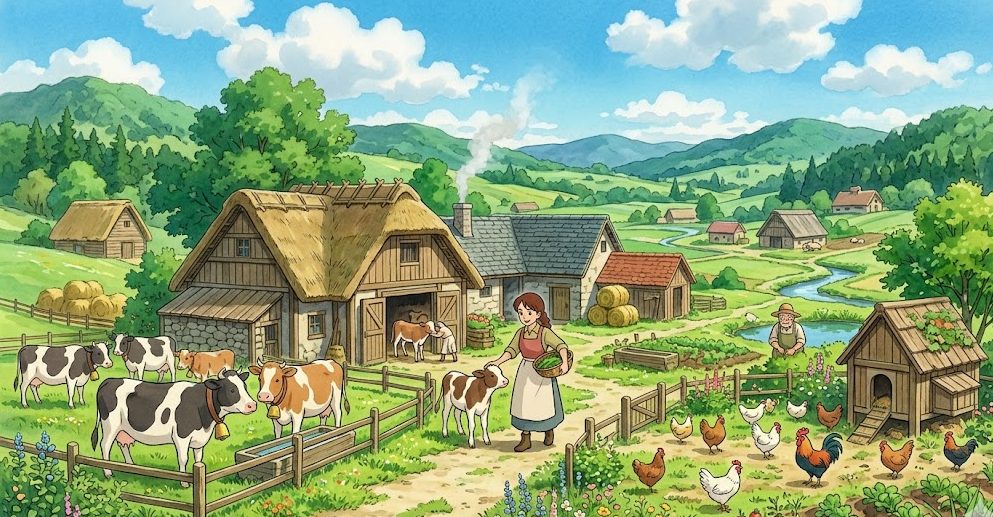
Efficient livestock management is the cornerstone of a thriving agricultural business. Whether you are managing a small-scale family farm or operating a large-scale commercial dairy or poultry unit, the health, productivity, and profitability of your animals depend on a structured management system.
In this comprehensive guide, we explore the essential pillars of livestock management, focusing on animal health, dairy production, and poultry farming strategies to help you maintain a productive and sustainable operation.
1. Prioritizing Animal Health: The Foundation of Profit
The health of your livestock is directly linked to your bottom line. An unhealthy animal is not only non-productive but can also pose a risk to the entire herd or flock.
Preventive Healthcare Strategies
- Vaccination Protocols: Establish a strict vaccination schedule in consultation with a local veterinarian. Preventing diseases like Foot and Mouth Disease (FMD) in cattle or Newcastle disease in poultry is significantly cheaper than treating them.
- Biosecurity Measures: Implement strict entry protocols for your farm. Limit visitors, disinfect footwear and vehicles, and quarantine new animals for at least 21 days before introducing them to the main group.
- Regular Monitoring: Spend time observing your animals daily. Changes in behavior, loss of appetite, dull eyes, or coat condition are often the first signs of illness. Early intervention is the key to recovery.
Hygiene and Environment
- Ventilation: Proper airflow is essential in both dairy sheds and poultry houses to remove moisture, ammonia, and pathogens.
- Waste Management: Accumulated manure attracts flies and breeds bacteria. Maintain a rigorous cleaning schedule to keep stalls and coops dry and sanitary.
2. Dairy Management: Optimizing Milk Production
Dairy farming is a delicate balance of nutrition, genetics, and environment. To maximize milk yield and fat content, farmers must pay attention to the specific needs of their herd.
Nutritional Excellence
- Balanced Rations: A high-producing dairy cow requires a mix of roughage (green fodder/hay) and concentrates (grains/oil cakes). Always ensure high-quality fiber is the base of the diet.
- Hydration: Water is the single most important nutrient for milk production. A lactating cow can drink up to 100 liters of water a day. Ensure access to clean, fresh water at all times.
Breeding and Lactation Cycles
- Record Keeping: Keep detailed records of calving dates, milk yields per cow, and breeding history. Identifying your top performers allows you to cull low-producers and focus resources on profitable animals.
- Milking Hygiene: Mastitis is the biggest enemy of dairy profitability. Always clean the udder before milking and ensure the equipment is thoroughly sanitized after every session.
3. Poultry Farming: Maximizing Egg and Meat Yields
Poultry farming requires intensive management due to the rapid growth cycles of birds. Whether raising broilers for meat or layers for eggs, environment control is the primary driver of success.
Creating the Ideal Environment
- Temperature Control: Chicks are highly sensitive to cold. Use brooding lamps to maintain a steady, warm temperature during the first few weeks. As birds mature, ensure the coop is shielded from extreme drafts.
- Lighting Management: For layer poultry, artificial lighting is often used to extend the “day” length, which stimulates egg production. Consistency in lighting is crucial for maintaining a high laying rate.
Feed Management
- Feed Quality: Poultry growth is highly dependent on feed quality. Ensure that your feed is free from fungal contamination (aflatoxins), as even minor spoilage can cause significant health issues.
- Feed Waste Reduction: Use hanging feeders adjusted to the height of the birds’ backs to minimize feed spillage and contamination.
4. Modern Tools for Livestock Efficiency
To remain competitive in today’s agricultural market, leverage technology and data:
- Digital Record Keeping: Move away from paper logs. Use mobile applications or simple spreadsheets to track health records, feed consumption, and sales. Data-driven decisions help identify where your costs are highest.
- Professional Consultation: Never guess when it comes to animal health. Establish a relationship with a local agricultural extension office or a veterinarian who understands your specific climate and market conditions.
- Sustainable Waste Utilization: Explore turning animal waste into biogas or high-quality compost. This not only keeps your farm clean but provides an additional income stream or reduces your fertilizer costs.
Conclusion: Building a Sustainable Future
Successful livestock management is a continuous process of learning and adaptation. By prioritizing animal welfare through preventive health checks, providing balanced nutrition, and maintaining a hygienic environment, you set the stage for a resilient and profitable operation.
Remember, livestock farming is about consistency. Small, daily improvements in how you handle, feed, and care for your animals will yield the most significant results over time. Stay observant, keep accurate records, and always prioritize the health of your herd or flock to ensure long-term success in the industry.