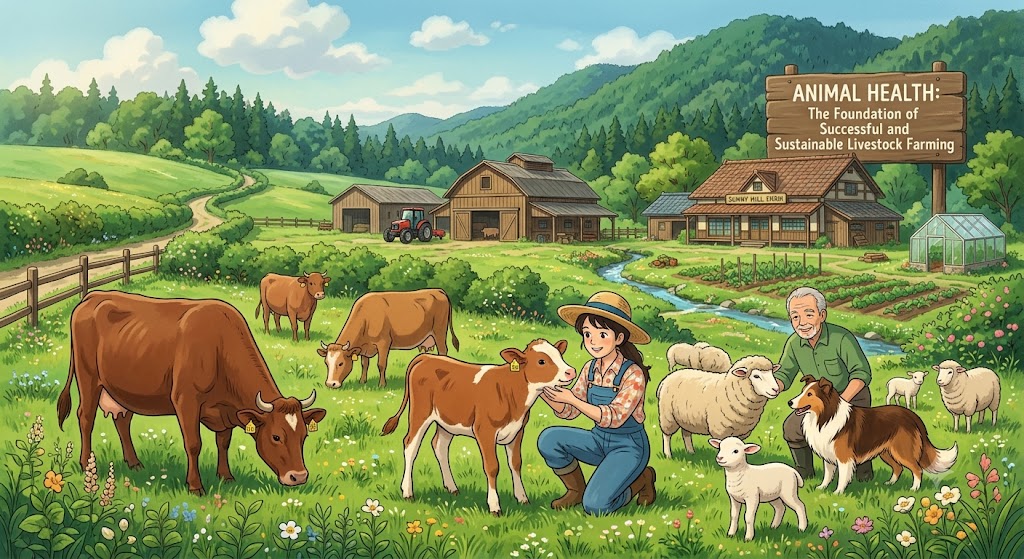
Introduction
Animal health is one of the most important aspects of modern agriculture and livestock farming. Healthy animals not only produce more milk, meat, eggs, wool, and other valuable products but also contribute to food security, rural livelihoods, and sustainable farming systems. Proper animal healthcare ensures that livestock remain productive, comfortable, and free from diseases that can affect both animals and humans.
In recent years, advancements in veterinary science, nutrition, biotechnology, and digital farming have significantly improved animal health management. Farmers now use modern technologies such as Artificial Intelligence (AI), wearable sensors, smart monitoring systems, and precision livestock farming to detect diseases early, improve nutrition, and enhance overall animal welfare.
Whether raising cattle, poultry, goats, sheep, pigs, or fish, maintaining good animal health is essential for maximizing productivity, reducing financial losses, and ensuring sustainable agricultural development.
What is Animal Health?
Animal health refers to the physical, mental, and biological well-being of livestock and domesticated animals. It includes disease prevention, proper nutrition, hygiene, vaccination, breeding, and veterinary care to ensure animals live healthy and productive lives.
Good animal health involves:
- Balanced nutrition
- Disease prevention
- Clean housing
- Vaccination programs
- Regular veterinary checkups
- Stress management
- Proper breeding practices
- Biosecurity measures
Healthy animals are more productive, reproduce efficiently, and require fewer medical treatments.
Importance of Animal Health
Maintaining healthy livestock provides numerous benefits for farmers, consumers, and the environment.
Major advantages include:
- Higher milk production
- Better meat quality
- Increased egg production
- Improved reproductive performance
- Reduced disease outbreaks
- Lower veterinary expenses
- Better farm profitability
- Improved food safety
Healthy livestock also help strengthen national food security and support rural economies.
Essential Components of Animal Health Management
Proper Nutrition
Nutrition is the foundation of animal health.
Livestock require balanced diets containing:
- Proteins
- Carbohydrates
- Vitamins
- Minerals
- Healthy fats
- Fresh drinking water
Proper nutrition strengthens immunity, improves growth, and supports reproductive performance.
Clean Housing
Comfortable housing protects animals from harsh weather, infections, and unnecessary stress.
A good livestock shelter should provide:
- Proper ventilation
- Dry flooring
- Adequate space
- Clean bedding
- Fresh air
- Safe drinking water
Good housing improves both animal welfare and productivity.
Vaccination Programs
Vaccination protects animals against infectious diseases before outbreaks occur.
Benefits include:
- Lower mortality rates
- Stronger immunity
- Reduced treatment costs
- Better herd health
- Improved farm productivity
Vaccination schedules should always follow veterinary recommendations.
Regular Veterinary Care
Routine health examinations help identify health problems before they become serious.
Veterinarians assist with:
- Disease diagnosis
- Vaccination
- Reproductive management
- Parasite control
- Nutritional advice
- Emergency treatment
Regular checkups improve long-term livestock performance.
Common Diseases in Farm Animals
Different livestock species are affected by different diseases.
Some common examples include:
Cattle
- Mastitis
- Foot-and-mouth disease
- Brucellosis
- Bovine respiratory disease
Poultry
- Newcastle disease
- Avian influenza
- Coccidiosis
- Infectious bronchitis
Goats and Sheep
- Foot rot
- Enterotoxemia
- Pneumonia
- Internal parasites
Pigs
- African swine fever
- Swine influenza
- Porcine reproductive diseases
Early detection significantly reduces production losses.
Biosecurity Measures
Biosecurity helps prevent diseases from entering or spreading within a farm.
Important biosecurity practices include:
- Restricting visitor access
- Cleaning equipment regularly
- Disinfecting animal housing
- Isolating sick animals
- Quarantining newly purchased livestock
- Controlling rodents and insects
- Maintaining proper waste disposal
Strong biosecurity reduces the risk of major disease outbreaks.
Technology in Animal Health
Modern technology is transforming livestock healthcare.
Artificial Intelligence (AI)
AI analyzes animal behavior and identifies health problems before visible symptoms appear.
Applications include:
- Disease prediction
- Feeding recommendations
- Milk yield analysis
- Heat detection
- Growth monitoring
Internet of Things (IoT)
Wearable sensors continuously monitor:
- Body temperature
- Heart rate
- Activity levels
- Feeding habits
- Rumination
- Location tracking
Farmers receive instant notifications if abnormal conditions are detected.
Smart Livestock Monitoring
Digital farm management systems maintain records for:
- Vaccination
- Breeding
- Growth
- Milk production
- Medical history
These records support better farm management decisions.
Automated Feeding Systems
Modern feeding equipment delivers balanced nutrition at scheduled times, improving efficiency while reducing feed waste.
Benefits of Good Animal Health
Increased Productivity
Healthy animals produce more milk, meat, eggs, and offspring.
Lower Medical Costs
Preventive healthcare reduces expensive treatments and emergency interventions.
Better Product Quality
Healthy livestock produce safer and higher-quality food products.
Improved Animal Welfare
Animals experience less stress, pain, and disease.
Higher Farm Income
Greater productivity and lower losses improve profitability.
Sustainable Agriculture
Healthy livestock support environmentally responsible farming systems.
Animal Welfare and Ethical Farming
Modern agriculture places increasing importance on animal welfare.
Farmers should ensure:
- Comfortable living conditions
- Proper nutrition
- Access to clean water
- Humane handling
- Freedom from unnecessary stress
- Timely medical care
Ethical livestock management improves both productivity and consumer confidence.
Challenges in Animal Health Management
Despite many advances, livestock farmers continue facing several challenges.
Disease Outbreaks
Highly contagious diseases can spread rapidly without proper biosecurity.
Climate Change
Heat stress and changing weather conditions affect animal health and productivity.
Rising Feed Costs
Increasing feed prices impact farm profitability.
Antibiotic Resistance
Overuse of antibiotics may reduce treatment effectiveness.
Limited Veterinary Services
Some rural areas have limited access to veterinary professionals.
Practical Tips for Maintaining Healthy Livestock
Farmers can improve animal health by following these recommendations:
- Provide balanced and nutritious feed.
- Ensure continuous access to clean drinking water.
- Maintain hygienic housing conditions.
- Follow recommended vaccination schedules.
- Conduct regular veterinary health checks.
- Isolate sick animals immediately.
- Practice strong farm biosecurity.
- Keep detailed health and production records.
- Monitor animals daily for unusual behavior.
- Stay informed about new livestock health technologies.
Future of Animal Health
The future of animal health is becoming increasingly technology-driven. Artificial Intelligence, precision livestock farming, wearable health sensors, robotic monitoring, genomic breeding, and digital veterinary platforms are helping farmers detect diseases earlier and improve overall livestock management.
Research is also focusing on developing disease-resistant breeds, improved vaccines, sustainable feeding strategies, and environmentally friendly livestock systems. Renewable energy-powered farms, automated climate control, and advanced health monitoring will continue improving animal welfare while increasing productivity.
As agriculture becomes more advanced, healthy animals will remain essential for sustainable food production and global food security.
Conclusion
Animal health is the cornerstone of successful livestock farming. Healthy animals are more productive, require fewer medical treatments, and contribute to higher farm profits while producing safe and nutritious food. Proper nutrition, clean housing, vaccination, veterinary care, and strong biosecurity are all essential components of effective animal health management.
Modern technologies such as Artificial Intelligence, IoT sensors, automated monitoring systems, and precision livestock farming are helping farmers improve animal welfare and make better management decisions. Although challenges such as disease outbreaks, climate change, and rising production costs remain, continued innovation and responsible farming practices will strengthen the future of animal health.
By investing in animal healthcare today, farmers can build resilient, sustainable, and profitable farming systems that benefit both their communities and future generations.