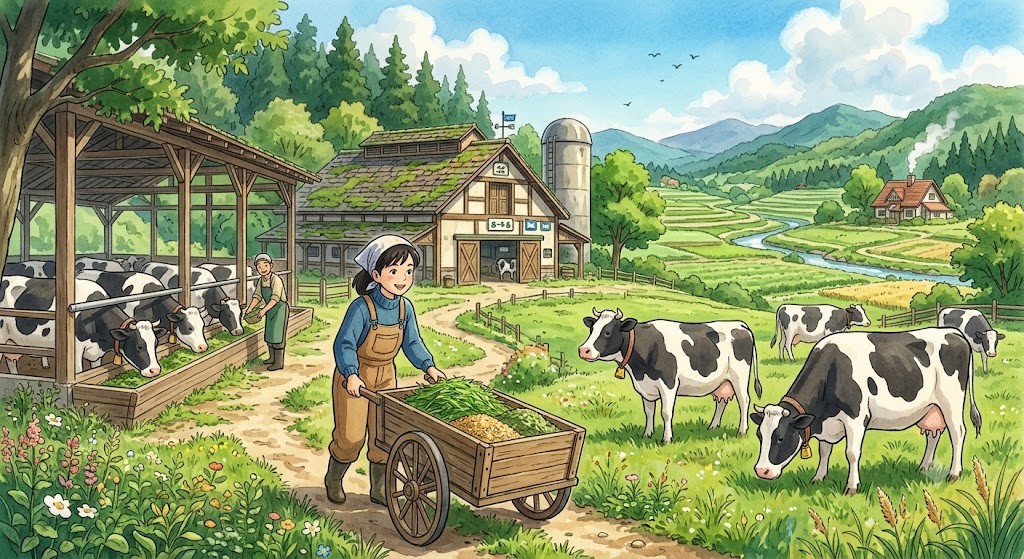
Consistent milk production is one of the primary goals of every dairy farming operation. Whether managing a small family dairy or a large commercial enterprise, nutrition remains one of the most influential factors affecting milk yield, animal health, reproductive performance, and overall farm profitability. Even genetically superior dairy cows cannot reach their production potential without a balanced and properly managed feeding program.
Modern dairy nutrition focuses on providing cows with the right balance of energy, protein, fiber, vitamins, minerals, and water throughout different stages of production. By implementing effective feeding strategies, dairy farmers can maintain stable milk output, improve feed efficiency, reduce health problems, and support long-term herd performance.
This guide explores practical dairy feeding strategies that help sustain consistent milk production while promoting animal health and farm profitability.
Why Nutrition Is Critical for Milk Production
Milk production requires a significant amount of energy and nutrients.
A dairy cow uses nutrients from feed to support:
- Milk synthesis
- Body maintenance
- Growth
- Reproduction
- Immune function
When nutritional requirements are not met, cows may experience:
- Reduced milk yield
- Weight loss
- Reproductive challenges
- Increased disease susceptibility
Proper nutrition ensures cows remain productive and healthy throughout the lactation cycle.
Understanding Dairy Cow Nutritional Requirements
Nutrient requirements vary depending on:
- Breed
- Body weight
- Stage of lactation
- Milk production level
- Age
- Environmental conditions
Key nutritional components include:
Energy
Supports milk production and daily metabolic functions.
Protein
Essential for tissue development and milk protein synthesis.
Fiber
Maintains healthy rumen function and digestion.
Vitamins and Minerals
Support immunity, reproduction, and overall health.
Water
Critical for milk production and nutrient transport.
A balanced ration must provide all of these components in appropriate amounts.
Provide High-Quality Forages
Forage forms the foundation of most dairy feeding programs.
Common forage sources include:
- Alfalfa hay
- Grass hay
- Corn silage
- Legume silage
- Pasture grasses
High-quality forage offers:
- Digestible nutrients
- Effective fiber
- Improved rumen health
Poor-quality forage often limits milk production and reduces feed efficiency.
Regular forage testing helps farmers evaluate nutritional value and formulate balanced diets.
Balance Energy Intake
Energy is one of the most important factors influencing milk yield.
High-producing cows require substantial energy to maintain production levels.
Energy sources may include:
- Corn grain
- Barley
- Wheat
- Sorghum
- High-energy concentrates
Insufficient energy intake can result in:
- Reduced milk production
- Weight loss
- Metabolic disorders
Maintaining proper energy balance helps support consistent lactation performance.
Optimize Protein Nutrition
Protein plays a major role in milk production and animal health.
Good protein sources include:
- Soybean meal
- Canola meal
- Alfalfa
- Legume forages
- Distillers grains
Protein supports:
- Milk protein synthesis
- Muscle maintenance
- Reproductive performance
Both protein deficiency and excess can negatively affect efficiency and profitability.
Balanced protein nutrition is essential for optimal herd performance.
Maintain Adequate Fiber Levels
Fiber is critical for rumen function and digestive health.
Effective fiber helps:
- Stimulate chewing activity
- Promote saliva production
- Stabilize rumen pH
- Reduce digestive disorders
Fiber sources include:
- Hay
- Silage
- Pasture
- Crop residues
Insufficient fiber can increase the risk of acidosis and other metabolic problems.
Healthy rumen function supports long-term milk production consistency.
Ensure Continuous Access to Clean Water
Water is often the most overlooked nutrient in dairy production.
Milk contains a high percentage of water, making hydration essential.
Factors influencing water needs include:
- Milk yield
- Temperature
- Feed type
- Stage of lactation
Providing unlimited access to clean, fresh water supports:
- Higher feed intake
- Improved milk production
- Better overall health
Water quality should be monitored regularly to ensure optimal herd performance.
Implement Total Mixed Ration (TMR) Feeding
Many commercial dairies utilize Total Mixed Ration systems.
TMR combines all dietary ingredients into a uniform mixture.
Benefits include:
- Consistent nutrient intake
- Reduced feed sorting
- Improved rumen stability
- Better production performance
A properly formulated TMR helps ensure cows receive balanced nutrition in every bite.
Feed According to Production Stage
Nutritional requirements change throughout the production cycle.
Early Lactation
High nutrient demands require energy-dense diets.
Mid-Lactation
Focus on maintaining milk production and body condition.
Late Lactation
Adjust feeding to prepare cows for the dry period.
Dry Period
Support fetal development and prepare for the next lactation cycle.
Stage-specific feeding improves efficiency and supports consistent performance.
Monitor Body Condition Scores
Body condition scoring helps evaluate nutritional management effectiveness.
Scores indicate:
- Energy reserves
- Nutritional status
- Production efficiency
Extremely thin or overweight cows may experience:
- Reduced milk production
- Reproductive challenges
- Health disorders
Regular monitoring allows timely adjustments to feeding programs.
Use Mineral and Vitamin Supplements
Micronutrients play essential roles in dairy cow health.
Important nutrients include:
Calcium
Supports milk production and bone health.
Phosphorus
Contributes to metabolism and reproduction.
Magnesium
Supports nerve and muscle function.
Vitamins A, D, and E
Help maintain immunity and overall health.
Balanced supplementation supports productive and healthy dairy herds.
Manage Feed Quality Consistently
Feed quality directly influences milk production.
Farmers should:
- Store feed properly
- Prevent spoilage
- Monitor moisture levels
- Test feed regularly
Consistent feed quality promotes stable intake and predictable production performance.
Poor-quality feed often results in reduced profitability.
Minimize Heat Stress Effects
Heat stress can significantly reduce milk production.
During hot weather, cows often:
- Eat less feed
- Produce less milk
- Experience higher stress levels
Management strategies include:
- Adequate shade
- Proper ventilation
- Cooling systems
- Increased water availability
Reducing heat stress helps maintain feed intake and production consistency.
Monitor Feed Efficiency
Feed efficiency measures how effectively cows convert feed into milk.
Improving efficiency can:
- Reduce feeding costs
- Increase profitability
- Support sustainability
Farmers should regularly evaluate:
- Feed intake
- Milk output
- Nutrient utilization
Data-driven management improves overall herd performance.
Utilize Precision Feeding Technologies
Modern dairy farms increasingly use technology to improve nutrition management.
Examples include:
- Automated feeders
- Feed monitoring systems
- Herd management software
- Nutritional analysis tools
These technologies support accurate feeding and better decision-making.
Precision feeding helps maximize production while reducing waste.
Support Rumen Health
The rumen serves as the primary digestive engine of the dairy cow.
Maintaining rumen health requires:
- Balanced diets
- Consistent feeding schedules
- Adequate fiber
- Proper nutrient ratios
Healthy rumens improve digestion, nutrient absorption, and milk production efficiency.
Building an Effective Dairy Feeding Program
Successful feeding programs often include:
- High-quality forages
- Balanced energy sources
- Adequate protein levels
- Effective fiber management
- Proper mineral supplementation
- Continuous water access
- Regular nutritional monitoring
Combining these elements supports consistent milk production and herd health.
Economic Benefits of Effective Feeding Strategies
Strong nutritional management can lead to:
- Higher milk yields
- Improved feed efficiency
- Better reproductive performance
- Lower health costs
- Increased profitability
Feed represents one of the largest dairy production expenses, making efficient feeding programs essential for financial success.
Conclusion
Dairy feeding strategies play a central role in maintaining consistent milk production and overall herd performance. By providing balanced nutrition, high-quality forages, adequate water, proper supplementation, and stage-specific feeding programs, dairy farmers can support productive and healthy animals throughout the lactation cycle.
As dairy production continues to evolve, successful farms will increasingly rely on data-driven nutrition management and precision feeding technologies. Farmers who invest in effective feeding strategies today are building stronger, more profitable dairy operations capable of sustaining long-term success in a competitive agricultural industry.