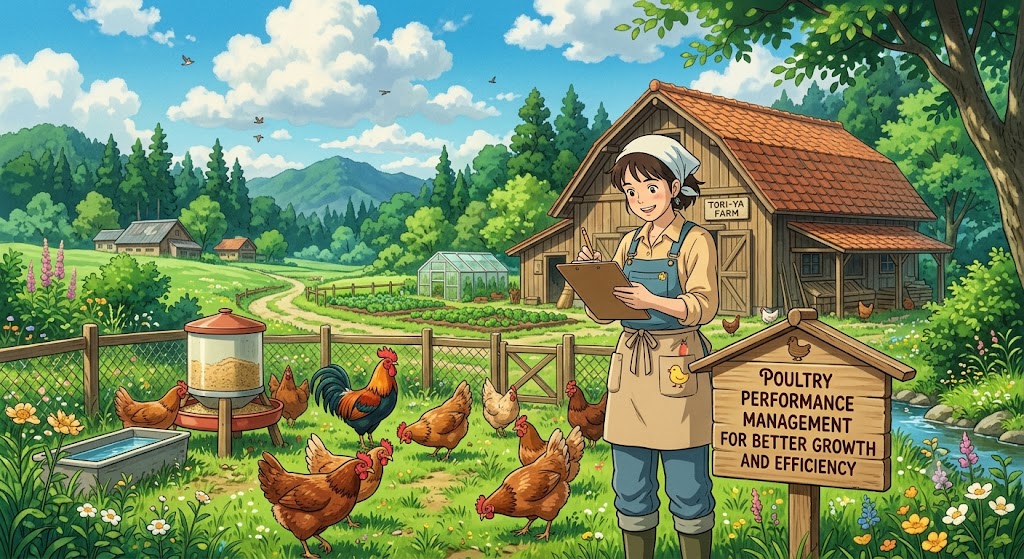
Poultry farming is one of the most dynamic and profitable sectors of modern agriculture. Whether producing broilers for meat or managing layer flocks for egg production, farm profitability depends heavily on bird performance. Growth rate, feed conversion efficiency, flock health, mortality levels, and overall productivity all influence the success of a poultry operation.
As production costs continue to rise and market competition increases, poultry farmers must focus on efficient management practices that maximize growth while maintaining bird welfare and health. Effective performance management combines proper nutrition, housing, environmental control, disease prevention, and continuous monitoring to achieve optimal results.
This guide explores essential poultry performance management strategies that help improve growth, efficiency, and long-term farm profitability.
Understanding Poultry Performance Management
Poultry performance management involves the systematic monitoring and optimization of factors that influence bird productivity.
Key performance indicators often include:
- Growth rates
- Feed conversion ratio (FCR)
- Mortality rates
- Weight uniformity
- Egg production
- Disease incidence
- Overall flock health
By tracking these indicators, farmers can identify problems early and make informed management decisions.
Consistent monitoring is the foundation of successful poultry production.
Why Performance Management Matters
Effective flock management directly affects farm profitability.
Benefits include:
- Faster growth
- Improved feed efficiency
- Reduced mortality
- Better product quality
- Lower production costs
- Higher returns on investment
Poor management practices often result in slower growth, increased disease risks, and reduced profitability.
Optimizing performance allows farmers to maximize production from available resources.
Selecting High-Quality Chicks
Strong flock performance begins with quality stock.
Farmers should purchase chicks from reputable hatcheries that provide:
- Healthy birds
- Good genetic potential
- Proper vaccination programs
- Reliable health records
Healthy chicks typically demonstrate:
- Active behavior
- Bright eyes
- Strong legs
- Uniform size
Starting with quality birds creates a solid foundation for future growth and productivity.
Provide Balanced Nutrition
Nutrition is one of the most important factors influencing poultry performance.
Birds require balanced diets containing:
Energy
Supports growth and daily activity.
Protein
Essential for muscle development and tissue growth.
Vitamins
Support immunity and overall health.
Minerals
Important for bone development and metabolic functions.
Amino Acids
Critical for efficient growth and feed utilization.
Well-balanced diets improve feed conversion and support maximum growth potential.
Optimize Feed Management
Feed represents one of the largest expenses in poultry production.
Effective feed management includes:
- Using quality feed ingredients
- Preventing feed wastage
- Providing adequate feeder space
- Monitoring feed consumption
Efficient feeding programs help improve growth rates while reducing production costs.
Regular feed evaluation ensures birds receive proper nutrition throughout their development.
Ensure Continuous Access to Clean Water
Water is essential for digestion, nutrient transport, temperature regulation, and overall bird health.
Poor water management can negatively affect:
- Feed intake
- Growth performance
- Immune function
- Production efficiency
Farmers should ensure:
- Continuous water availability
- Clean drinking systems
- Proper water pressure
- Regular sanitation
Healthy birds require unrestricted access to clean, fresh water at all times.
Maintain Proper Brooding Conditions
The brooding period is critical for early chick development.
Important factors include:
Temperature Control
Young chicks require carefully managed temperatures during the first weeks of life.
Ventilation
Adequate airflow supports respiratory health.
Lighting
Proper lighting encourages feeding and activity.
Bedding Quality
Clean, dry litter promotes comfort and disease prevention.
Successful brooding significantly influences future flock performance.
Manage Housing Effectively
Proper housing contributes to both growth and efficiency.
Well-designed poultry houses should provide:
- Adequate ventilation
- Proper temperature control
- Sufficient space
- Good lighting
- Dry litter conditions
Comfortable environments reduce stress and support better growth performance.
Housing management remains one of the most important aspects of poultry production.
Control Environmental Conditions
Environmental management directly affects feed intake and productivity.
Key factors include:
Temperature
Extreme temperatures can reduce growth and increase stress.
Humidity
Proper humidity supports bird comfort and respiratory health.
Air Quality
Good ventilation reduces ammonia buildup and disease risks.
Maintaining optimal environmental conditions helps maximize performance and flock welfare.
Implement Effective Biosecurity Programs
Disease prevention is essential for maintaining productive poultry operations.
Biosecurity measures may include:
- Restricted farm access
- Footbaths and sanitation stations
- Equipment disinfection
- Visitor controls
- Rodent management
Strong biosecurity reduces disease risks and protects flock performance.
Prevention is generally more effective and less costly than treatment.
Vaccination and Disease Prevention
Vaccination programs help protect birds from common poultry diseases.
Benefits include:
- Reduced mortality
- Improved flock health
- Better growth performance
- Lower treatment costs
Vaccination schedules should be developed based on local disease risks and veterinary recommendations.
Healthy flocks consistently outperform those affected by disease challenges.
Monitor Growth Rates Regularly
Tracking growth allows farmers to evaluate management effectiveness.
Important measurements include:
- Body weight
- Weight gain
- Feed consumption
- Feed conversion ratio
Regular monitoring helps identify issues before they significantly affect production outcomes.
Data-driven decisions improve overall flock management.
Improve Feed Conversion Efficiency
Feed Conversion Ratio (FCR) measures how efficiently birds convert feed into body weight.
Lower FCR values indicate better efficiency.
Strategies for improving FCR include:
- Balanced nutrition
- Good health management
- Proper environmental control
- Stress reduction
Improved feed efficiency directly contributes to higher profitability.
Reduce Stress Factors
Stress negatively affects poultry growth and immune function.
Common stressors include:
- Overcrowding
- Poor ventilation
- Temperature fluctuations
- Rough handling
- Nutritional imbalances
Reducing stress supports:
- Better feed intake
- Faster growth
- Improved health
- Higher productivity
Bird welfare and production efficiency often go hand in hand.
Manage Stocking Density Carefully
Overcrowding can reduce flock performance.
Excessive stocking density may lead to:
- Increased stress
- Reduced growth rates
- Higher disease transmission
- Poor air quality
Providing adequate space supports healthy development and efficient production.
Balanced stocking densities improve both welfare and profitability.
Utilize Performance Records
Accurate record-keeping supports continuous improvement.
Important records include:
- Feed consumption
- Mortality rates
- Growth performance
- Vaccination schedules
- Environmental conditions
Historical data helps farmers identify trends and optimize management practices.
Good records support better business decisions.
Technology in Modern Poultry Farming
Advanced technologies are increasingly used to improve flock management.
Examples include:
- Automated feeding systems
- Climate control equipment
- Water monitoring systems
- Performance tracking software
- Smart sensors
Technology helps farmers improve efficiency while reducing labor requirements.
Data-driven poultry management continues to expand worldwide.
Build a Comprehensive Poultry Management Plan
A successful performance program should focus on:
- Quality chicks
- Balanced nutrition
- Water management
- Environmental control
- Disease prevention
- Biosecurity measures
- Growth monitoring
Combining these practices creates a strong foundation for productive poultry operations.
Economic Benefits of Effective Performance Management
Strong management practices often result in:
- Faster growth rates
- Lower feed costs per unit of production
- Reduced mortality
- Better product quality
- Increased profitability
Small improvements in efficiency can generate significant financial benefits over time.
Conclusion
Poultry performance management is essential for achieving better growth, improved efficiency, and long-term profitability. By focusing on nutrition, housing, environmental control, biosecurity, disease prevention, and continuous monitoring, farmers can create conditions that support optimal flock performance.
As poultry production becomes increasingly competitive, successful operations will continue to rely on data-driven management and modern technologies to improve productivity. Farmers who prioritize performance management are better positioned to maximize returns, maintain healthy flocks, and build sustainable poultry enterprises for the future.