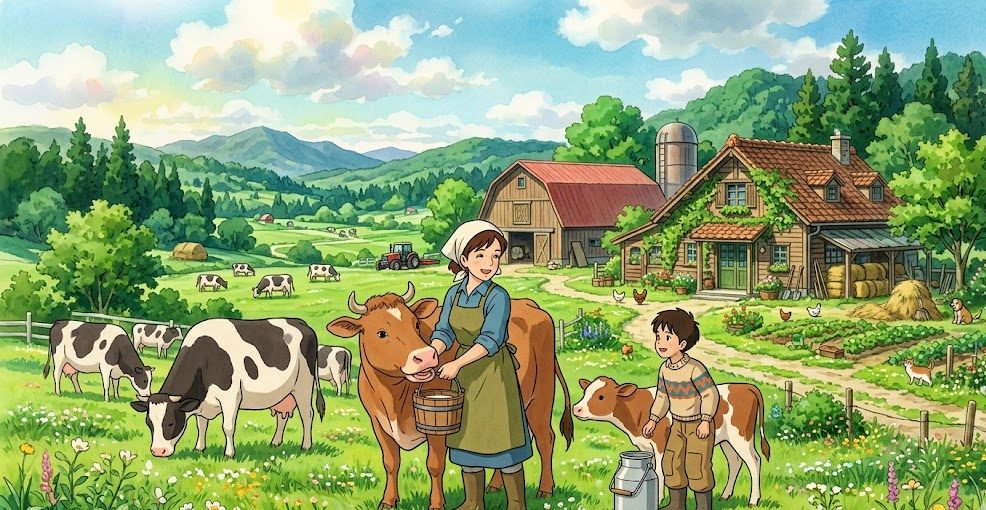
Milk is a foundational part of daily life across the globe. From morning coffees and breakfast cereals to nutrient-rich yogurts, cheeses, and butter, dairy products enjoy a perpetual, recession-proof demand. This constant market need makes dairy farming one of the most stable, reliable, and lucrative sectors in agriculture.
However, many passionate beginners jump into the milk business thinking it is as simple as buying a few cows, milking them daily, and pocketing the profits. In reality, modern dairy farming is a sophisticated mix of animal science, strict operational management, and precise financial planning. It is a 365-day-a-year commitment that requires patience, dedication, and a deep respect for the animals.
If you are looking to step into the dairy industry and build a commercial milk brand from the ground up, you need a clear, realistic strategy. Let’s walk through the essential steps to launch a highly successful and profitable dairy farm business.
The Business Case for Dairy: Understanding the Profit Margins
Before constructing sheds or buying livestock, it is crucial to analyze how a dairy farm generates sustainable revenue.
Unlike seasonal crop farming, where a farmer might only see a payday once or twice a year, a dairy farm offers daily cash flow. The milk your cows produce today can be sold and turned into revenue by tomorrow morning.
Furthermore, a dairy farm offers secondary income streams that bolster your overall profit margins:
- Male and Female Calves: Calves born on your farm can either be raised to expand your herd for free or sold to other farmers for a healthy profit.
- Organic Manure / Bio-fertilizer: Dairy waste is highly valuable. You can sell cow dung directly to organic crop farmers, use it to generate biogas to power your farm, or process it into premium vermicompost.
- Value-Added Dairy Products: Processing your raw milk into premium products like paneer, ghee, fresh cheese, or flavored yogurt dramatically increases your profit margins compared to selling liquid milk alone.
1. Choosing the Right Dairy Cattle Breed
The foundation of your entire profit model rests on the genetics of your herd. If you choose a breed that is ill-suited to your local climate or known for low milk yields, your business will struggle regardless of how much expensive feed you provide.
Depending on your geographic location and target market, you will choose between specialized cows or water buffaloes.
High-Yielding Global Cow Breeds
- Holstein-Friesian (HF): The undisputed queens of milk volume. These large, black-and-white cows produce the highest quantity of milk per lactation cycle. However, they require excellent climate management, as they are highly sensitive to extreme heat, and their milk has a lower fat content.
- Jersey: Smaller, light-brown cows originating from the Channel Islands. While they produce less total volume than an HF cow, their milk is exceptionally rich in milk fat and solids, making it highly valuable for premium cheese and butter production. They are also highly adaptable to warmer climates.
Resilient Tropical and Regional Breeds
If you are operating in tropical environments, crossbred varieties or specialized native breeds are often preferred for their natural resilience.
- Gir and Sahiwal: These resilient tropical breeds are highly sought after for producing premium A2 milk, which commands a massive luxury price spike in urban organic markets. They possess natural immunity against tick-borne diseases and can thrive in hot, humid climates.
- Murrah Buffalo: In many traditional dairy markets, rich buffalo milk is preferred due to its incredibly high fat content (often 7% to 8%). The Murrah breed is the world-class gold standard for commercial buffalo dairy farming.
2. Designing Comfortable and Functional Cattle Housing
Animal comfort is directly linked to milk production. When cows are stressed, cramped, or uncomfortably hot, their bodies produce cortisol, which immediately suppresses milk yields. A modern, profitable dairy farm focuses heavily on comfortable housing structures.
The Dynamic Loose Housing System
Instead of tying cows in tight, dark stalls all day, modern commercial setups use a “loose housing system.” Cows are free to walk around inside a large, open-roofed enclosure, access clean drinking water whenever they want, and rest under a well-ventilated shade structure.
Crucial Barn Components
- Proper Ventilation: High ceilings and open-sided walls ensure a continuous cross-breeze, which naturally lowers the temperature inside the shed during hot summer months.
- Non-Slip Flooring: Concrete floors should be grooved or fitted with thick, heavy-duty rubber mats. This prevents animals from slipping and injuring their joints, while protecting their hooves from walking-surface infections (lameness).
- Dedicated Slopes and Drainage: The barn floor must slope gently toward a main drainage channel. This allows waste, urine, and wash water to clear out instantly, keeping the bedding area completely dry and clean. A dry environment dramatically reduces the risk of mastitis, a painful bacterial udder infection that can ruin a cow’s milk output.
3. Feed and Nutrition: Managing the Biggest Cost
Ask any veteran dairy farmer what their biggest ongoing operational expense is, and they will tell you the same thing: animal feed. Feeding your herd will account for roughly 60% to 70% of your total running costs. Managing this resource efficiently is the true secret to making your milk business profitable.
To produce maximum milk without depleting their bodies, dairy cattle need a balanced, carefully calculated ration known as a Total Mixed Ration (TMR). This mix consists of three pillars:
Green Fodder (Succulent Roughage)
Green grasses supply essential vitamins, natural juices, and moisture. Crops like napier grass, alfalfa, maize fodder, and sorghum should form the bulk of a cow’s daily intake. To insulate your business against seasonal fodder shortages, learn to ferment excess green crops into silage stored inside airtight pits or bags.
Dry Fodder (Fiber Source)
Dry materials like wheat straw, rice straw, or sorghum stalks provide the raw fiber necessary for a cow’s complex, four-compartment stomach (the rumen) to digest food properly and maintain high milk fat percentages.
Concentrates and Minerals
This is the high-energy fuel that drives milk volume. Concentrates are custom mixes made from grains (maize, barley), oil cakes (soybean meal, cottonseed cake), and wheat bran. Additionally, mixing a daily dose of high-quality mineral mixtures and salt blocks into their feed ensures healthy reproductive cycles and strong immune health.
4. Establishing Flawless Farm Management Practices
A profitable dairy business operates like a well-oiled machine, relying on strict daily routines and meticulous attention to data.
   [ 5:00 AM ] -> Morning Milking & Sanitize Equipment
   [ 7:00 AM ] -> Deliver Fresh Feed (TMR) & Clean Barns
   [ 12:00 PM] -> Visual Health Checks & Heat Detection
   [ 4:00 PM ] -> Evening Milking & Record Volumes
Clean and Hygienic Milking Procedures
Whether you are starting with manual hand-milking or investing in automatic vacuum milking machines, hygiene is non-negotiable.
- Always wash and sanitize the cow’s teats with an organic disinfectant dip before and after every single milking session.
- Clean all milking buckets, pipes, and transport cans thoroughly using food-grade detergent and hot water to prevent bacterial spikes that cause milk to sour rapidly.
Strict Record Keeping
You cannot manage what you do not measure. Keep detailed digital charts or physical notebooks tracking every single animal on your farm:
- Daily individual milk yield (helps identify low-performing animals that are losing you money).
- Breeding and artificial insemination dates.
- Vaccination, deworming, and medical history logs.
Frequently Asked Questions (FAQs)
1. How much initial investment is needed to start a dairy farm?
The startup capital varies wildly depending on your country, land costs, and scale. For beginners, the major expenses include buying the initial high-yield livestock, building the shed structure, and purchasing basic milking machinery. It is wise to start small (around 5 to 10 animals) to understand the operational nuances before investing capital into a 50+ animal commercial enterprise.
2. Can I run a dairy farm successfully without owning massive pastures?
Yes, absolutely. This model is known as a zero-grazing system or stall-feeding. Instead of letting cows roam open pastures to find food, you grow high-yield fodder on a designated small plot of land or purchase feed inputs in bulk, bringing the nutrition directly to the animals inside their comfortable barn.
3. How do I find the best buyers for my farm’s milk?
You have three primary marketing routes:
- Dairy Cooperatives: Selling in bulk to large established corporate processing networks. It offers guaranteed daily volume buying but usually yields lower wholesale prices.
- Direct-to-Consumer (B2C): Bottling and branding your own raw milk to sell directly to urban families or residential housing complexes. This model requires extra effort for delivery but brings in the absolute highest retail profit margins.
- Local Sweet Shops and Bakeries: Partnering with local artisanal businesses that require fresh, unadulterated high-fat milk every single morning.
4. What is the standard lifespan and milk cycle of a dairy cow?
A commercial dairy cow can comfortably produce milk for 5 to 7 lactation cycles (years). Each lactation cycle lasts about 305 days after giving birth, followed by a mandatory 60-day “dry period” where the cow rests and prepares her body for her next calf.
5. How can I protect my dairy herd from seasonal diseases?
Prevention is infinitely cheaper than treatment. Work closely with a qualified local veterinarian to map out a strict annual vaccination calendar protecting against major viral and bacterial threats like Foot-and-Mouth Disease (FMD) and Hemorrhagic Septicemia. Combine this with regular deworming schedules and strict biosecurity measures at the farm gates.
Conclusion
Setting up a profitable dairy farming business is an incredible blend of traditional heritage and smart corporate management. While it demands an unyielding routine, physical resilience, and continuous observation, the financial and personal rewards are immense.
By starting with a premium, climate-adapted cattle breed, prioritizing top-tier animal comfort, growing your own cost-effective green fodder, and practicing absolute hygiene during milking, you set your venture up for long-term commercial success. Treat your animals with care, track your farm data with precision, and watch your dairy startup transform into a thriving, highly profitable milk enterprise!