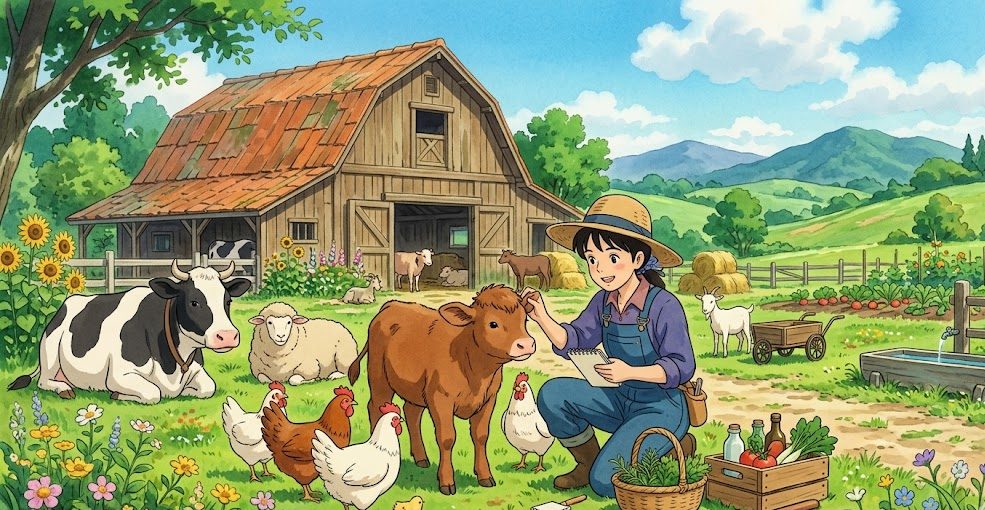
In the world of livestock farming, your animals are your most valuable asset. Whether you manage a large dairy herd, raise poultry, or keep a small flock of goats in your backyard, their health directly dictates your financial success.
A sudden disease outbreak can cause devastation overnight, leading to high veterinary bills, decreased milk or egg production, and in the worst cases, catastrophic livestock loss.
When it comes to animal husbandry, the oldest saying holds the absolute truth: an ounce of prevention is worth a pound of cure. Livestock animals are prey species by nature, meaning they instinctively hide their symptoms of pain and illness to avoid looking vulnerable. By the time an animal looks obviously sick, the disease is already advanced.
Learning how to spot the subtle, early warning signs of illness and implementing strict preventive measures is the key to protecting your investment. This beginner-friendly guide walks you through the step-by-step process of identifying and preventing common livestock diseases early.
The Daily Vital Signs Checklist
To catch an illness early, you must first understand what a completely healthy animal looks like. Spend 10 to 15 minutes every morning observing your livestock during feeding time. Any deviation from their normal baseline behavior should immediately raise a red flag.
Look for these 5 vital indicators:
- Appetite and Water Intake: A healthy animal is eager to eat. If an animal stands back during feeding, ignores fresh pasture, or stops drinking water, it is almost always the first sign of an underlying issue.
- Herd Behavior: Most farm animals are highly social herd creatures. If a sheep, cow, or pig isolates itself in a corner away from the group, it is likely running a fever or experiencing systemic pain.
- Posture and Movement: Watch for limping, arched backs, drooping ears, or a lowered head. Healthy livestock hold themselves alertly and move fluidly.
- Body Output: Keep an eye on the consistency of their manure. Diarrhea (scours) causes rapid, life-threatening dehydration in young animals, while a complete lack of manure points to dangerous bloating or digestive blockages.
- Breathing and Coat Quality: Respiration should be calm and effortless. Heavy panting, coughing, or nasal discharge indicates respiratory distress. Additionally, a healthy coat is shiny and smooth; a dull, patchy, or rough coat often signals internal parasites or nutritional deficiencies.
Quick Reference: Common Livestock Diseases & Early Signs
| Disease Type | Most Affected Livestock | Early Warning Signs | Primary Cause |
| Mastitis | Dairy Cows, Goats, Sheep | Swollen, hot, or painful udder; clumpy or watery milk; reluctance to be milked. | Bacterial infection due to poor bedding hygiene. |
| Coccidiosis | Chicks, Lambs, Kids, Calves | Severe diarrhea (often bloody), rapid weight loss, lethargy, ruffled feathers/fur. | Internal protozoan parasite thriving in damp environments. |
| Foot Rot | Sheep, Goats, Cattle | Severe limping, holding a hoof off the ground, foul odor coming from the hoof. | Bacterial infection from waterlogged, muddy pastures. |
| Bloat | Cattle, Goats, Sheep | Swollen left flank, grunting, kicking at the belly, heavy breathing. | Trapped gas from sudden overconsumption of rich green clover or alfalfa. |
4 Proven Strategies for Early Disease Prevention
Identifying a disease early is excellent, but preventing it from ever entering your property is the gold standard of livestock management. Implement these four fundamental biosecurity practices to keep your farm safe.
1. Establish a Strict Quarantine Protocol
The most common way diseases enter a clean farm is through the introduction of new livestock. Never release newly purchased animals directly into your main herd.
- The 30-Day Rule: Keep all new arrivals in an entirely separate isolation pen for a minimum of 30 days.
- Monitor Closely: Use this quarantine window to check their vital signs, treat them for internal and external parasites, and ensure they do not break out in symptoms before introducing them to your resident stock.
2. Maintain Impeccable Sanitation and Ventilation
Pathogens thrive in dark, damp, and dirty environments. Good farm hygiene drastically cuts down the viral and bacterial load your animals face daily.
- Keep Bedding Dry: Regularly clean out wet straw, wood shavings, and manure from coops, barns, and stalls. Wet bedding ammonia strips the lining of an animal’s lungs, opening the door for respiratory illnesses like pneumonia.
- Clean Feeders and Water Troughs: Stagnant water is a breeding ground for algae, disease-carrying mosquitoes, and coccidiosis. Scrub out water vessels weekly using a safe, diluted bleach solution.
💡 Pro-Tip for Parasite Control: Rotational Grazing
Internal parasites (like the deadly Barber Pole worm in goats and sheep) lay eggs that pass out through animal manure onto pastures. If your animals stay in the exact same pasture continuously, they will constantly re-ingest these hatching parasite larvae.
To prevent this naturally, implement rotational grazing. Divide your pasture into smaller paddocks and move your animals to a fresh section every 2 to 3 weeks. Leaving a paddock empty for 40 to 60 days allows the parasite larvae to naturally starve and die off without the use of expensive chemical dewormers.
3. Create a Custom Vaccination and Deworming Schedule
Do not wait for a crisis to look for a cure. Work closely with a local livestock veterinarian to create a proactive healthcare calendar specifically tailored to your geographic region.
- Core Vaccines: Ensure your animals receive timely vaccinations against localized threats (such as CDT vaccines for sheep and goats to prevent tetanus and enterotoxemia).
- Targeted Deworming: Instead of deworming your entire herd on a calendar basis—which leads to chemical resistance—use the FAMACHA eye-color chart scoring method for small ruminants to check for anemia and treat only the specific animals showing signs of high parasite loads.
4. Optimize Nutritional Profiles
A malnourished animal has a weak immune system. Providing balanced, high-quality nutrition builds a natural barrier against seasonal opportunistic infections.
- Provide Mineral Blocks: Clean water and quality forage are not always enough. Animals require free-access loose minerals or salt blocks to balance their mineral deficiencies, which keeps their metabolic systems running at full strength.
- Avoid Sudden Feed Shifts: Microorganisms in a ruminant’s stomach need time to adjust to new food. Introduce rich grain feeds or lush spring pastures slowly over a week to prevent fatal digestive emergencies like acidosis or bloat.
Conclusion: Observation Is Your Best Investment
Managing livestock health successfully doesn’t require a degree in veterinary medicine; it requires dedication, curiosity, and consistency. The time you spend walking through your fields and barns, listening to your animals, and watching how they move is the absolute best investment you can make in your agricultural business.
By maintaining dry housing, keeping stress levels low, quarantining new stock, and keeping a watchful eye out for the very first sign of an off-day, you create an environment where diseases simply cannot take root. Your animals will live healthier, more comfortable lives, and your farm will reward you with steady, predictable productivity for years to come.