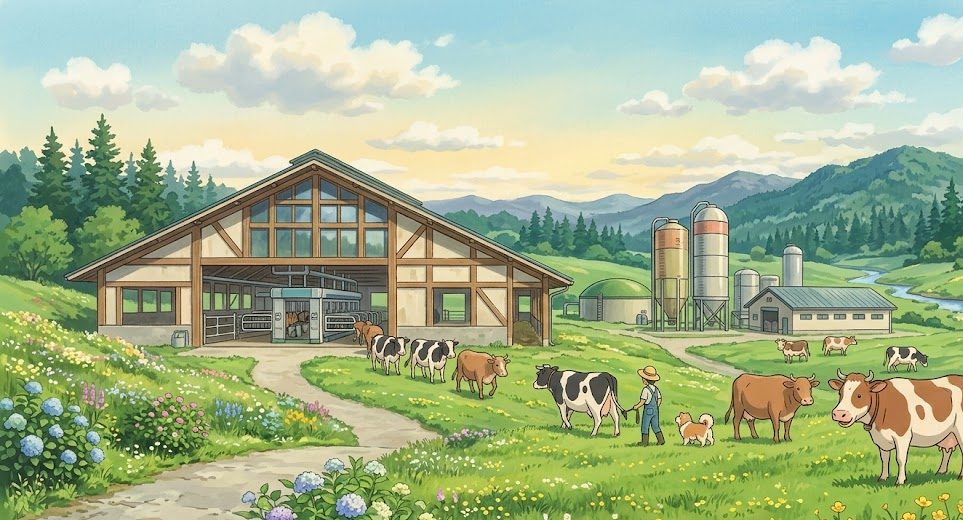
The dairy industry in 2026 is at a fascinating crossroads. While the global demand for high-quality, traceable dairy products continues to climb, the pressure on small-to-mid-sized dairy farmers to maintain profitability amidst rising feed costs and strict quality standards has never been higher.
In the past, dairy farming was often a game of “volume over value.” Today, that model is failing. The modern path to profit is no longer just about owning more cows; it is about maximizing the quality, components, and health of every animal in your herd. Here is how you can leverage modern strategies to boost your milk quality and elevate your bottom line.
1. Precision Nutrition: The “Component” Strategy
Milk quality—specifically butterfat and protein content—is the single biggest driver of your check size. If you are still feeding a generic ration to your entire herd, you are leaving money on the table.
- The Strategy: Use “Phase Feeding.” Instead of one diet for all, divide your herd into groups based on their stage of lactation. Fresh cows, mid-lactation cows, and late-lactation cows have vastly different metabolic needs.
- The Profit Move: Work with a nutritionist to balance for “amino acids” and “rumen-protected fats.” These specific additives can significantly bump your butterfat and protein percentages, which are the metrics that high-end dairy processors prioritize. A 0.5% increase in butterfat across your herd can translate into a massive increase in annual revenue without adding a single extra cow.
2. The Power of “Cow Comfort” (The Stress-Milk Link)
Stress is the silent enemy of milk production. A cow that is stressed by heat, crowding, or poor hygiene is a cow that is diverting energy away from milk synthesis and toward maintaining her basic survival.
- The Strategy: In 2026, the focus is on “Cow Comfort 2.0.” This means optimizing stall size for comfort, ensuring deep, dry bedding (which prevents mastitis), and, crucially, managing heat stress.
- The Impact: Heat stress is a major profit killer. Installing high-volume, low-speed (HVLS) fans and automated misting systems isn’t a luxury—it’s an investment. Studies show that cows cooled properly during the hot months maintain higher production levels and have better fertility rates, leading to more calves and a more consistent milk flow year-round.
3. Digitizing Herd Health: The IoT Advantage
The days of manual paper charts are over. The most profitable dairy operations in 2026 are using wearable IoT technology to monitor their herd 24/7.
- The Strategy: Use “Smart Collars” or ear tags that track rumination time, activity levels, and body temperature.
- The Advantage: These sensors act as an “early warning system.” If a cow’s rumination time drops by just 10% compared to her average, the system alerts you before she shows outward signs of illness. Catching a case of sub-clinical mastitis or ketosis 24 hours early can save you hundreds in veterinary bills and prevent a significant dip in production. You aren’t just farming; you are managing a living, biological data set.
4. Mastitis Control: The Quality Gatekeeper
Somatic Cell Count (SCC) is the most critical metric for your milk’s quality and your processor’s bonus structure. High SCC milk is not only lower in quality, but it also carries heavy penalties.
- The Strategy: Focus on the “Five-Point Plan”—post-milking teat dipping, dry cow therapy, regular maintenance of milking equipment, and culling chronic carriers.
- The Modern Twist: Use rapid on-site testing. Many affordable, quick-test kits can identify the specific bacteria causing a mastitis flare-up in a cow. Knowing if it is Staph aureus versus E. coli changes how you treat the animal and whether she can be saved or should be culled to protect the rest of the herd.
5. Diversifying into Value-Added Products
If you are only selling raw milk to a processor, you are trapped in a commodity price cycle. The highest margins in 2026 are found in value-added products that carry your farm’s brand.
- The Strategy: Explore small-scale processing. Can you turn your surplus milk into artisanal yogurt, aged cheeses, or kefir?
- The Advantage: These products have a longer shelf life and allow you to bypass the volatile milk price set by the market. By marketing your products as “single-herd, farm-fresh, sustainable dairy,” you are tapping into a premium consumer segment that values the story behind the product as much as the taste.
The Sustainability Bonus
Consumers in 2026 are asking questions about the environmental footprint of their dairy. By implementing strategies like methane-reducing feed additives or manure management systems that produce biogas, you are not just helping the planet—you are building a brand story.
Modern dairy farming is becoming a “circular” business. Your manure can be composted for fertilizer, your waste heat can be captured from cooling systems, and your data can be used to optimize every gram of feed. Each of these small efficiencies adds up to a significant reduction in overhead costs.
The Bottom Line
Increasing profit margins in dairy farming today is about management intensity. It is about paying attention to the tiny details—the 0.1% increase in butterfat, the extra hour of rest a cow gets, the 24-hour earlier diagnosis of an illness.
When you elevate the quality of your milk and the efficiency of your herd, you stop being a “price taker” at the mercy of the market and start being a professional producer with a high-value product. The future of dairy isn’t about getting bigger; it’s about getting better.