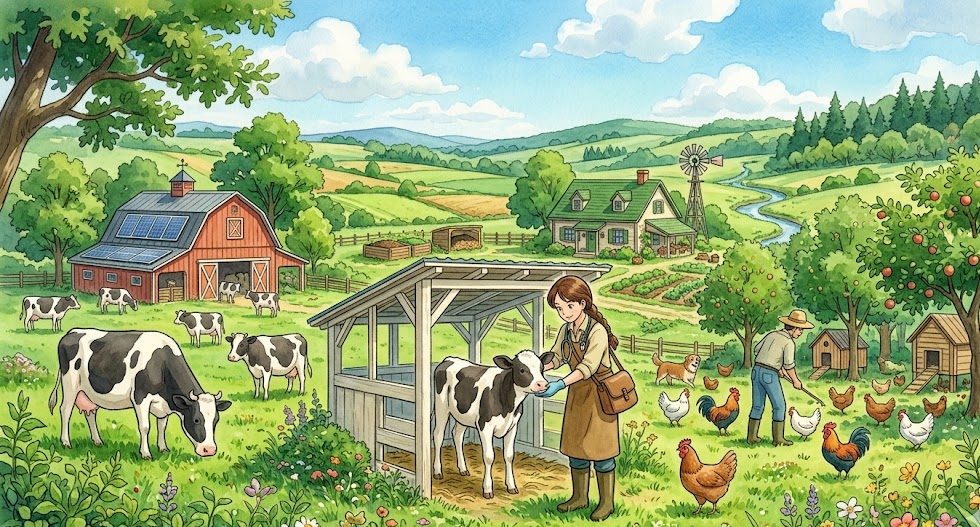
The global demand for protein is rising, but the methods used to produce it are under intense scrutiny. Traditional intensive farming often faces a “vicious cycle”: high-density living leads to disease, which leads to heavy antibiotic use, which leads to resistant bacteria and lower quality produce.
Sustainable Animal Agriculture breaks this cycle. It is a sophisticated management philosophy that treats animal welfare and environmental health as the primary drivers of profit. By integrating Advanced Animal Health Protocols with Expert Husbandry, we can create a food system that is ethical, high-yielding, and resilient.
1. The Pillar of Advanced Health Protocols: Prevention Over Cure
In a sustainable system, the goal is to make the veterinarian’s “medicine bag” the last resort, not the first. Advanced protocols focus on creating an environment where the animal’s natural immune system is the primary defense.
A. The Biosecurity “Shield”
Modern biosecurity is no longer just about locked gates. It involves:
- Airlock Transitions: Ensuring that pathogens from the outside world do not enter the production zone.
- Water Purification: Treating livestock water with UV or ozone to eliminate waterborne pathogens without leaving chemical residues in the milk or meat.
- Microbiome Optimization: Using probiotics and prebiotics in feed to build a robust gut flora, which accounts for up to 70% of an animal’s immune response.
B. Precision Diagnostics
We are moving toward the era of the “Connected Cow” and the “Digital Hen.” Wearable sensors and AI-driven cameras can now detect a rise in body temperature or a change in movement patterns 48 to 72 hours before clinical symptoms appear. This allows for “targeted intervention”—treating one animal early rather than dosing an entire herd.
2. Expert Dairy Husbandry: The Art of Longevity
In dairy farming, the logic of sustainability is simple: Longevity equals Profit. A cow that produces milk for six or seven lactations is far more profitable and environmentally friendly than a cow that is “burnt out” after two.
A. Comfort-Driven Design
A stressed cow produces cortisol, which actively suppresses milk yield and quality. Expert husbandry focuses on:
- Thermoregulation: Using high-volume, low-speed (HVLS) fans and automated misting systems to prevent heat stress, which is the leading cause of “summer slump” in milk production.
- Kinematic Bedding: Using sand or recycled organic solids that provide joint support, reducing lameness—the number one reason for premature culling in dairy herds.
B. The Nutrition-to-Emission Link
Expert dairy management utilizes Precision Ration Balancing. By tailoring the diet to the specific lactation stage of the cow, we ensure maximum milk output while minimizing the excretion of nitrogen and methane. Using seaweed additives or specific essential oils in feed can reduce enteric methane emissions by up to 30%, making the dairy farm a key player in climate solutions.
3. Expert Poultry Husbandry: Efficiency at Scale
Poultry is one of the most efficient converters of feed to protein, but its high-density nature requires specialized management to remain sustainable.
A. Atmospheric Management
In poultry houses, air quality is as important as feed quality. Expert husbandry involves monitoring Ammonia (NH3) and Carbon Dioxide (CO2) levels in real-time. High ammonia levels damage the respiratory tract of birds, making them susceptible to secondary infections. Automated ventilation systems that respond to gas sensors ensure the birds breathe clean air 24/7.
B. The “Enriched” Environment
Sustainability in poultry is increasingly defined by behavioral health.
- Vertical Space Utilization: Providing perches and multi-tier systems allows birds to express natural behaviors, reducing aggression and the need for beak trimming.
- Light Recipes: Using specific LED spectrums (more blue light for growth, more red light for egg-laying) to regulate the birds’ circadian rhythms, reducing stress-induced pecking.
4. The Synergy: Circular Resource Management
The “Hidden Logic” of sustainable animal agriculture is that the animal is not the only product; the manure is a high-value asset.
| Resource | Integration Strategy | Sustainability Benefit |
|---|---|---|
| Manure/Waste | Anaerobic Digesters | Converts waste into “Green Energy” (biogas) and nutrient-rich liquid fertilizer. |
| Nutrient Runoff | Constructed Wetlands | Uses plants to filter wastewater before it leaves the farm. |
| Heat Recovery | Heat Exchangers | Uses the warmth from fresh milk to pre-heat water for cleaning, saving energy. |
Export to Sheets
By viewing the farm as a closed loop, the “pollution” of traditional agriculture becomes the “input” for a sustainable energy or fertilizer business.
5. Antibiotic Stewardship and Consumer Trust
The modern consumer is highly educated. They are looking for “No Antibiotics Ever” (NAE) or “Responsible Use” labels. Sustainable protocols use Immunotherapy and Phage Therapy (using beneficial viruses to kill specific bad bacteria) as alternatives to traditional antibiotics. This preserves the efficacy of human medicines while ensuring the animal remains healthy.
6. The Economic Logic: Resilience vs. Brute Force
Sustainable animal agriculture is more profitable in the long run because it reduces Volatility.
- Lower Mortality: Better health protocols mean fewer lost animals.
- Higher Product Quality: Milk from comfortable, healthy cows has lower somatic cell counts (SCC), which often earns a “Quality Bonus” from processors.
- Market Access: Sustainable farms are the first to be selected by major retail chains and international exporters who have strict ESG (Environmental, Social, and Governance) requirements.
7. The Future: AI and Genomic Selection
The next frontier of sustainable husbandry is Genomic Selection. Instead of just breeding for “more milk” or “more meat,” we are now breeding for “Resilience.”
- Heat-Tolerant Genetics: Selecting for animals that can thrive in warming climates.
- Feed Efficiency: Breeding animals that can produce the same amount of protein with 10% less grain.
- Natural Resistance: Identifying genetic markers that make certain lineages naturally resistant to common diseases like Mastitis or Avian Flu.
Conclusion: A New Covenant with Nature
Sustainable Animal Agriculture is a move away from the “dominion” mindset and toward a “stewardship” mindset. By integrating Advanced Health Protocols with Expert Husbandry, we prove that high-output farming does not have to come at the expense of the animal or the earth.
The logic is undeniable: A healthy, comfortable animal is a productive animal. When we use technology to listen to what the animals are telling us, and science to protect their environment, we create a food system that is truly fit for the future.
Key Takeaway: In the Smart Farm of 2026, the best “medicine” is a well-designed barn, a balanced diet, and a data-driven health protocol. Efficiency is no longer measured just in pounds of meat or gallons of milk, but in the health and longevity of the entire biological system.