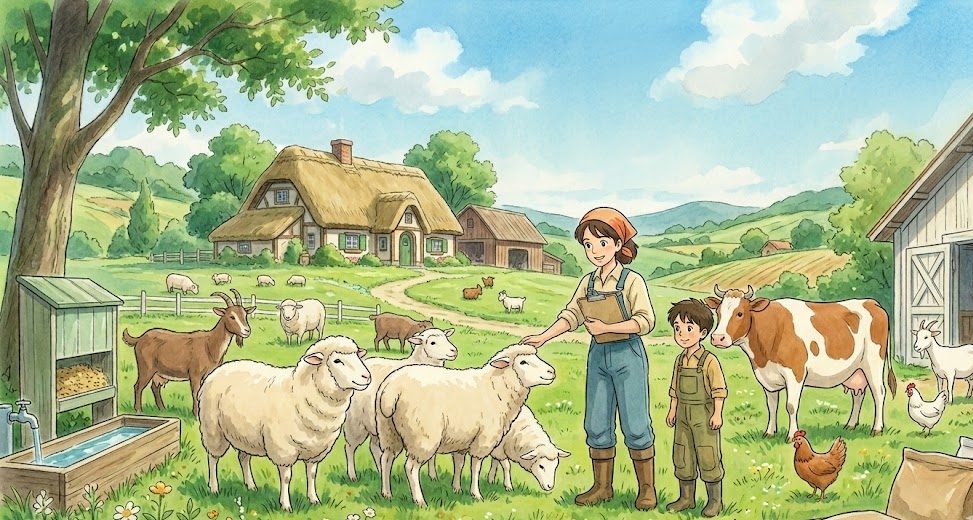
In the world of animal husbandry, the adage “prevention is better than cure” is not just a suggestion—it is the foundation of profitability and ethical care. Livestock health directly influences the sustainability of your operation. When disease strikes, the costs are twofold: the immediate expense of veterinary care and medicine, and the long-term loss of productivity, growth, and output.
Creating a robust “Immunity Blueprint” involves moving beyond reactive treatment and focusing on building a resilient, high-performance herd or flock. This article explores the core strategies required to maintain disease-free livestock through proactive management.
1. Biosecurity: The First Line of Defense
Biosecurity is the practice of keeping pathogens out of your environment. If you do not control who and what enters your farm, you cannot control the health of your animals.
- Controlled Access: Establish clear boundaries for your facility. Limit visitors and ensure all service vehicles are cleaned and disinfected before entering.
- The Quarantine Protocol: Never introduce new animals directly into your existing herd. New arrivals should be quarantined for at least 21–30 days. During this time, monitor them for signs of illness, conduct necessary blood tests, and ensure they are fully vaccinated before integrating them.
- Vector Control: Pests—including rodents, wild birds, and insects—are notorious carriers of disease. Maintain a rigorous pest management plan, seal feed storage to prevent contamination, and eliminate standing water where mosquitoes, which transmit various viral diseases, thrive.
2. Nutritional Optimization: Fueling the Immune System
An animal’s immune system is only as strong as the nutrients provided to it. A balanced diet is the difference between an animal that fights off a minor exposure and one that succumbs to it.
- Macro and Micronutrient Balance: Ensure your livestock receive the correct ratios of proteins, carbohydrates, and fats. However, do not overlook trace minerals such as Selenium, Zinc, and Copper, which are vital for enzyme function and immune cell development.
- Access to Clean Water: Water is the most overlooked nutrient. Contaminated water is a primary transmission route for bacterial and parasitic infections. Regularly test water sources and keep troughs scrubbed to prevent biofilm buildup.
- The Role of Gut Health: A significant portion of an animal’s immune system resides in the gut. Incorporating probiotics or prebiotics into feed can support a healthy microbiome, which prevents pathogenic bacteria from colonizing the intestinal tract.
3. Vaccination and Targeted Health Planning
Vaccination is your insurance policy against major outbreaks. However, a “one-size-fits-all” approach rarely works.
- Work with a Veterinarian: Develop a customized vaccination schedule based on the endemic diseases in your specific region. Your veterinarian can provide insights into local risks that might not be obvious to the casual observer.
- Strict Storage and Administration: Vaccines are biological products that can lose efficacy if stored incorrectly. Always adhere to the “cold chain”—keep vaccines at the manufacturer-recommended temperature until the moment of administration. Use sterile needles for every animal to prevent cross-contamination.
4. Environmental Stress Management
Stress is the silent killer of immunity. When an animal is stressed, its body releases cortisol, a hormone that suppresses the immune response, making the animal significantly more susceptible to infection.
- Climate Control: Whether it is extreme heat or biting cold, livestock need a sanctuary. Provide adequate shade, ventilation, and dry bedding. In hot climates, ensure adequate airflow to prevent heat stress, which is a major contributor to respiratory issues.
- Stocking Density: Overcrowding is the fastest way to trigger a disease outbreak. High density increases the speed at which airborne diseases spread and creates unsanitary conditions that foster bacterial growth. Always adhere to optimal stocking rates to allow animals the space they need to display natural behaviors and remain calm.
5. Early Detection and Data-Driven Monitoring
The goal of the Immunity Blueprint is to catch issues at the “sub-clinical” stage—before the animal looks visibly sick.
- Daily Observation: Train your staff to notice subtle changes. A drop in feed intake, a change in gait, or an altered social behavior is often the first indicator of illness.
- Record Keeping: Use a digital management system to track health events. If you notice a trend—for instance, three animals in one pen showing the same minor symptom—you can intervene immediately before it becomes a herd-wide emergency.
- Regular Health Audits: Conduct periodic body condition scoring and parasite load monitoring (e.g., fecal egg counts). This allows you to treat only the animals that need it, reducing the risk of developing drug-resistant parasites.
Conclusion: Investing in Resilience
The “Immunity Blueprint” is a continuous process, not a destination. It requires daily vigilance, rigorous record-keeping, and an uncompromising commitment to hygiene and nutrition.
By prioritizing proactive health, you reduce the reliance on antibiotics—a critical step in combating the global rise of antimicrobial resistance—and ensure that your livestock remain productive, healthy, and profitable. A healthy animal is the best asset a farmer can possess; treat its immunity as the most valuable resource on your farm.