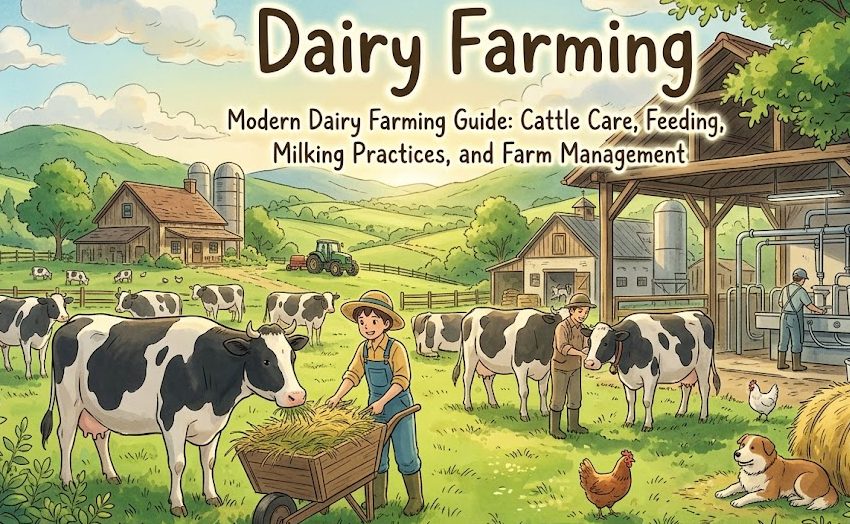
Healthy animals are one of the most important parts of a successful livestock operation. Whether a farm raises cattle, goats, sheep, poultry, or other farm animals, good health management affects growth, reproduction, productivity, feed efficiency, and overall farm performance.
Animal health management is not limited to treating an animal after it becomes sick. A stronger approach focuses on prevention, observation, proper nutrition, clean housing, safe water, responsible handling, and regular veterinary care.
For farms across the United States, animal health practices can vary according to climate, animal species, farm size, housing system, and production goals. A cattle operation in a cold northern state may have different housing requirements from a goat farm in a warmer region, while poultry operations require their own specialized management systems.
The basic principle remains the same: healthy animals need appropriate food, clean water, suitable living conditions, protection from disease, and consistent observation.
Start With Daily Observation
One of the simplest and most valuable animal health practices is observing animals every day.
Farmers who regularly watch their animals can often notice changes before a problem becomes serious.
Look for changes in:
- Appetite
- Water consumption
- Movement
- Body condition
- Breathing
- Posture
- Behavior
- Droppings or manure
- Coat, feathers, or skin condition
- Interaction with other animals
An animal that separates itself from the group, refuses food, moves differently, or appears unusually quiet may require closer attention.
Daily observation does not replace veterinary diagnosis, but it can help identify problems early.
Nutrition Is the Foundation of Animal Health
Animals require balanced nutrition to maintain body functions, grow properly, reproduce, and remain resilient.
The exact diet depends heavily on the species, age, production stage, and purpose of the animal.
For example, the nutritional needs of a growing calf are different from those of a mature dairy cow. Similarly, young goats and sheep have different requirements from mature animals.
A farm nutrition program may include:
- Forage
- Hay
- Pasture
- Grains
- Protein sources
- Minerals
- Vitamins
- Appropriate supplements
The goal is not simply to provide more feed. It is to provide appropriate nutrition for the animal’s actual requirements.
Overfeeding can create unnecessary costs and health problems, while underfeeding can reduce growth, body condition, and productivity.
Make Clean Water a Priority
Water is sometimes overlooked because it is inexpensive compared with feed, but reliable access to clean water is essential.
Water requirements vary according to species, body size, diet, temperature, activity, and production stage.
During hot weather, water demand can increase significantly. Water availability should therefore be checked regularly during periods of heat.
Farmers should inspect:
- Water troughs
- Automatic drinkers
- Pipes
- Tanks
- Water storage systems
- Poultry drinkers
Containers should be cleaned when necessary, and water sources should be protected from contamination.
An animal may have access to water but still consume less if the water is dirty, excessively warm, difficult to reach, or otherwise unsuitable.
Keep Housing Clean and Comfortable
Housing conditions have a direct relationship with animal health.
Poorly maintained housing can contribute to moisture buildup, unpleasant odors, respiratory challenges, parasite problems, injuries, and general stress.
Good livestock housing should provide:
- Adequate space
- Appropriate ventilation
- Dry resting areas
- Protection from severe weather
- Safe flooring
- Suitable bedding
- Easy access to feed and water
- Good drainage
Ventilation is particularly important in enclosed buildings. Fresh air helps control humidity and reduce the buildup of unwanted gases and airborne contaminants.
At the same time, ventilation should be managed so that animals are not exposed to damaging drafts or extreme cold.
Hygiene and Sanitation on the Farm
Clean surroundings can reduce opportunities for disease to spread.
A practical hygiene program may include regular cleaning of:
- Feed containers
- Water equipment
- Animal housing
- Bedding areas
- Handling equipment
- Calving or kidding areas
- Poultry facilities
- Storage spaces
Manure should be managed appropriately rather than allowed to accumulate excessively around animal living areas.
Cleaning schedules should be realistic for the farm. A system that can be followed consistently is more useful than an unnecessarily complicated routine.
Understand Biosecurity
Biosecurity means reducing the chance that diseases enter or spread within a farm.
This becomes especially important when animals are purchased, transported, mixed with other groups, or exposed to visitors and outside equipment.
Basic biosecurity practices can include:
- Separating newly introduced animals
- Limiting unnecessary farm access
- Cleaning equipment
- Using dedicated footwear or clothing where appropriate
- Avoiding unnecessary animal mixing
- Monitoring new animals
- Maintaining clean feeding areas
- Controlling contact with potentially infected animals
New animals should be managed according to veterinary and farm biosecurity guidance before being fully integrated into an existing herd or flock.
Biosecurity is particularly valuable because preventing the introduction of a disease can be easier than managing a large outbreak.
Vaccination and Preventive Veterinary Care
Vaccination programs can be an important part of livestock health management.
However, vaccination schedules vary by species, age, location, disease risk, production system, and other factors. Farmers should work with a veterinarian to develop a program appropriate for their operation.
Veterinary care may also include:
- Routine health examinations
- Parasite management
- Reproductive health
- Hoof or foot care
- Dental care where relevant
- Diagnostic testing
- Treatment of injuries
- Monitoring of young animals
A veterinarian can help farmers identify health risks specific to their region and production system.
Parasite Management
Internal and external parasites can affect livestock performance.
Depending on the species and production environment, problems may involve worms, mites, lice, ticks, flies, or other organisms.
Possible signs of parasite problems can include:
- Poor growth
- Weight loss
- Rough coat
- Reduced productivity
- Skin irritation
- Excessive scratching
- Changes in manure
- Weakness
Parasite control should be based on appropriate monitoring and veterinary or professional guidance rather than automatically using treatments on a fixed schedule.
Responsible parasite management is important because unnecessary or repeated use of certain treatments can contribute to resistance.
Foot, Hoof, and Leg Care
Mobility is an important indicator of animal well-being.
Animals that experience foot or leg problems may eat less, move less, lose body condition, or become less competitive around feed and water.
Farmers should regularly observe how animals walk and stand.
Housing areas should be checked for:
- Sharp objects
- Slippery surfaces
- Excessively wet areas
- Damaged flooring
- Mud buildup
- Poor drainage
For species that require routine hoof care, trimming and inspection should be performed appropriately.
Early attention to mobility problems can help prevent minor issues from becoming more serious.
Managing Animal Nutrition by Life Stage
A single feed program may not be appropriate for every animal on a farm.
Different life stages can have different nutritional priorities.
Young Animals
Young animals need appropriate nutrition for growth and development. Colostrum management is particularly important for newborn livestock species where it is relevant.
Growing Animals
Growing animals require nutrition that supports healthy development without unnecessary overfeeding.
Breeding Animals
Breeding animals may have changing nutritional needs before and during reproduction.
Lactating Animals
Animals producing milk generally have higher nutritional demands and need appropriate access to feed and water.
Mature or Lower-Production Animals
Their diet may need to be adjusted according to body condition and activity rather than following the same feeding program used for high-producing animals.
Farmers should work with qualified professionals when developing detailed rations.
Reduce Heat Stress
Heat can become a major animal-health concern during summer.
Signs of heat stress may include:
- Increased breathing
- Excessive panting in susceptible species
- Reduced activity
- Increased water consumption
- Reduced feed intake
- Animals seeking shade
- Changes in normal behavior
Farmers can reduce heat stress by providing adequate water, shade or appropriate shelter, ventilation, and access to cooler resting areas.
Handling and transportation should also be planned carefully during extreme heat.
Young, elderly, sick, or high-producing animals may require additional attention during severe weather.
Prepare Animals for Cold Weather
Cold weather creates a different set of challenges.
Animals need appropriate shelter, dry resting areas, suitable nutrition, and reliable access to water.
Wind exposure can make cold conditions more stressful, particularly when animals are wet.
Winter preparation can include:
- Checking shelters
- Repairing damaged structures
- Providing suitable bedding
- Preventing water systems from freezing
- Monitoring body condition
- Adjusting management during severe weather
Different species and breeds have different levels of cold tolerance, so management should be based on the animals actually present on the farm.
Handle Animals Calmly
Animal handling affects both welfare and farm safety.
Rough or unpredictable handling can increase stress and create risks for both animals and workers.
Farmers should use calm, controlled movement and appropriate handling equipment.
Good handling practices include:
- Avoiding unnecessary shouting
- Reducing sudden movements
- Maintaining safe escape routes for workers
- Using suitable gates and pens
- Separating aggressive animals when necessary
- Avoiding overcrowding
Training workers in safe livestock handling can improve consistency across the farm.
Maintain a Health Record for Each Group
Good records can make animal health management much easier.
Depending on the operation, records may include:
- Animal identification
- Birth dates
- Vaccinations
- Treatments
- Veterinary visits
- Weight or growth information
- Breeding information
- Health problems
- Mortality
- Feed changes
- Parasite management
- Production information
Accurate records help farmers identify recurring problems and evaluate whether management changes are working.
They can also help veterinarians understand an animal’s history when treatment is required.
Create a Farm Health Routine
A practical routine can be divided into three levels.
Every Day
Check:
- Appetite
- Water access
- Behavior
- Movement
- Housing conditions
- Injuries
- Unusual signs
Every Week
Review:
- Body condition
- Feed storage
- Water equipment
- Bedding
- Fences
- Cleaning
- Parasite concerns
- Group behavior
Regularly With Professional Guidance
Review:
- Vaccination plans
- Veterinary health programs
- Nutrition
- Reproductive management
- Parasite strategies
- Biosecurity
- Disease risks
The exact schedule should be adapted to the species and farm.
Know When Professional Help Is Needed
Farmers should not try to diagnose every health problem themselves.
Professional veterinary assistance is important when an animal shows serious or rapidly worsening symptoms, severe injury, difficulty breathing, inability to stand, significant dehydration, unusual neurological signs, or other concerning changes.
Unexpected deaths or multiple animals becoming sick at the same time also deserve prompt professional attention.
Early veterinary involvement can be especially important when a contagious disease may be involved.
Build a Preventive Health Plan
A preventive plan is generally more effective than waiting for health problems to appear.
A farm health plan can include:
Nutrition: Provide appropriate feed and clean water.
Housing: Maintain dry, safe, well-ventilated facilities.
Biosecurity: Reduce unnecessary disease exposure.
Vaccination: Follow a veterinarian-recommended program.
Parasite management: Monitor and respond appropriately.
Observation: Check animals consistently.
Records: Document important health events.
Emergency preparation: Know what to do if an animal becomes seriously ill.
This approach turns animal health into a regular part of farm management rather than an occasional emergency task.
Final Thoughts
Animal health management is built from many small decisions repeated consistently. Clean water, appropriate nutrition, safe housing, good hygiene, proper handling, biosecurity, preventive veterinary care, and daily observation can all contribute to healthier livestock.
There is no single health program that works identically for every farm. Species, age, climate, housing, production goals, and local disease risks all influence the best approach.
For U.S. livestock producers, working with a veterinarian and other qualified agricultural professionals can help create a health program suited to the farm’s specific conditions.
The most useful mindset is prevention. By noticing changes early, maintaining good farm hygiene, providing appropriate nutrition, and keeping reliable health records, farmers can create a more organized environment where animals have a better opportunity to remain healthy and productive throughout the year.