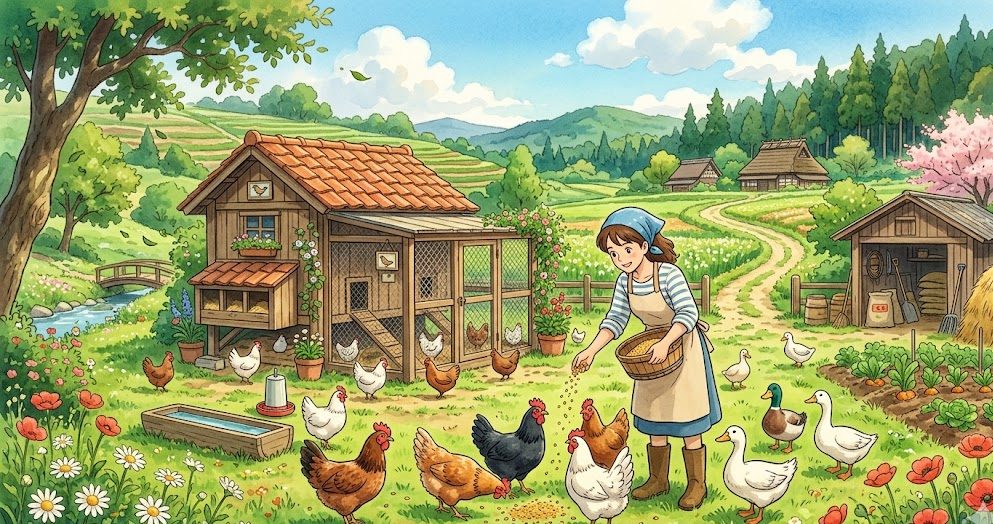
Poultry farming remains one of the most reliable and fastest-growing sectors in the agricultural landscape today. Whether you are aiming to produce eggs for local markets or raise broilers for meat, the poultry business offers a relatively quick return on investment compared to many other agricultural ventures. However, don’t let the simplicity of the concept fool you; success in the poultry industry requires more than just buying chicks and building a shed. It demands a meticulous blend of biosecurity, nutritional management, and savvy business planning. With global demand for affordable protein on the rise, farmers who prioritize efficiency and animal welfare are consistently outperforming those who rely on outdated, low-investment habits. In this guide, we break down the fundamental pillars of starting a successful, scalable poultry operation that is built to last.
1. Choosing Your Niche: Layers vs. Broilers
One of the first decisions you must make is whether to focus on egg production (layers) or meat production (broilers). Each path has its own operational requirements and market dynamics.
The Case for Broilers
Broiler farming is often preferred by those looking for a rapid turnover. A broiler chicken can reach market weight in as little as 6 to 8 weeks. This short cycle allows for multiple harvests per year, which is excellent for cash flow. However, it requires intense management during the final growth stages and a reliable link to buyers or processing plants.
The Case for Layers
Layer farming is a “marathon” business. Once the birds start laying, you have a consistent, daily revenue stream for 12 to 18 months. While it requires a longer initial investment period—as you must feed the birds for several months before they reach maturity—it provides a more predictable income that is less affected by the sudden price spikes often seen in the meat market.
2. Infrastructure: Designing for Health and Efficiency
Your coop design is the most important capital investment you will make. A poorly designed structure is the leading cause of stress, disease, and productivity loss in poultry.
Ventilation is Non-Negotiable
Chickens are highly susceptible to respiratory issues. Ammonia buildup from droppings can quickly become toxic in a poorly ventilated coop. Ensure your structure allows for cross-ventilation, but be careful to avoid cold drafts. A good rule of thumb is to have open sides covered with heavy-duty mesh to allow airflow while keeping out predators.
Space Requirements
Overcrowding is the enemy of profit. When birds are cramped, they become stressed, which leads to feather picking, reduced growth rates, and increased disease susceptibility. For broilers, aim for at least 1 to 1.5 square feet per bird. For layers, you need extra room for nesting boxes and perching areas. Always prioritize comfort over quantity; a healthy bird is a productive bird.
3. Biosecurity: The First Line of Defense
In the poultry business, an outbreak can destroy an entire operation in a matter of days. Strict biosecurity is not a suggestion—it is the foundation of your survival.
Control Access
Your coop should not be a tourist destination. Limit the number of people who enter the growing area. Anyone entering should use a foot bath filled with a disinfectant solution to ensure no pathogens are tracked in from the outside.
Pest and Predator Management
Wild birds and rodents are primary carriers of diseases like Avian Influenza and Salmonella. Ensure your netting is fine enough to keep out wild birds and that your structure is completely rodent-proof. If you notice signs of pests, address them immediately before they can contaminate your feed or water supplies.
4. Nutritional Management: Feeding for Performance
Feed costs typically represent 60% to 70% of your total operational expenses. Achieving the best “feed conversion ratio” (FCR)—the amount of feed it takes to produce a kilogram of meat or a dozen eggs—is the key to your profit margin.
Don’t Compromise on Quality
It is tempting to look for the cheapest feed possible, but this is a false economy. Low-quality feed often lacks the necessary protein and micronutrients, leading to slower growth and higher mortality rates. Instead, work with a reputable feed supplier and ensure the feed matches the specific life stage of your birds (starter, grower, or finisher).
Clean Water Access
A chicken will drink twice as much water as it eats feed. If their water intake drops, their feed intake drops immediately, and growth stalls. Ensure your waterers are cleaned daily to prevent the formation of biofilm or algae, and ensure there are enough stations so that the more dominant birds aren’t keeping the weaker ones away from the water.
5. Record-Keeping and Business Acumen
You cannot optimize what you do not measure. Many poultry farmers fail not because of disease, but because they don’t know their own numbers.
The Farmer’s Dashboard
Keep a daily logbook that tracks:
- Mortality rates: Keep an eye on daily trends. A sudden spike is an early warning sign of a health issue.
- Feed consumption: Compare this against the expected growth charts provided by your chick supplier.
- Production data: For layers, track egg production by house or by row.
- Expenses: Every bag of feed, vaccine, and utility bill must be recorded.
Market Linkages
Do not wait until the birds are ready to be sold to find a buyer. Build relationships with local butchers, restaurant owners, and grocery stores well in advance. Having an “assured buyer” plan can save you from having to sell your inventory at a loss when the market is oversupplied.
Conclusion
Poultry farming is a rewarding business, but it is one that demands attention to detail. Success is found in the daily habits: keeping the water clean, maintaining the ventilation, monitoring the growth trends, and keeping strict biosecurity protocols in place. While the industry is competitive, it remains one of the most accessible ways to build a profitable agricultural venture. Start with a manageable number of birds, focus on learning the unique needs of your chosen breed, and treat your coop as a professional business environment. By focusing on bird health and cost control today, you set the stage for a sustainable, growing operation that can serve your local community for years to come.