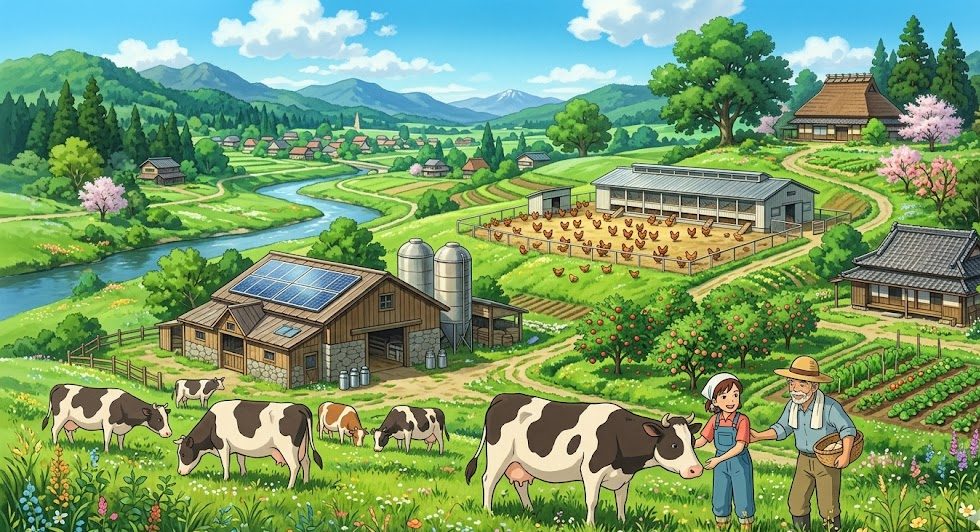
The global demand for high-quality protein—dairy and poultry—is at an all-time high. However, the modern consumer is no longer just looking at the price tag; they are looking at the ethics and efficiency behind the product. The traditional model of “maximum input for maximum output” is being replaced by a more sophisticated philosophy: Animal Wellness as a Driver of Productivity.
In 2026, we have realized that a stressed animal is an unproductive animal. To maximize yield in dairy and poultry, we must shift toward a strategic approach that synergizes modern technology with biological comfort. This deep dive explores the innovations transforming livestock management into a high-precision, welfare-first industry.
1. The Wellness-Productivity Correlation
For decades, productivity was pushed through hormonal interventions and high-density housing. We now know this leads to “diminishing returns” due to disease and poor product quality.
The Strategic Shift:
- Cortisol vs. Yield: High cortisol (stress hormone) levels in cows and poultry directly inhibit milk let-down and egg-laying frequency.
- Immune-Centric Management: By focusing on gut health and low-stress environments, farmers reduce the need for antibiotics, leading to “clean label” products that fetch premium market prices.
2. Modern Dairy Excellence: The “Smart Cow” Era
Dairy farming has moved beyond the milk bucket. It is now a field of data science where every cow is a “biological unit” monitored in real-time.
A. Precision Nutrition and Automated Feeding
The “one-size-fits-all” feed ration is dead. AI-driven systems now analyze the lactation cycle, body weight, and milk urea nitrogen of individual cows to create Total Mixed Rations (TMR).
- Robotic Feed Pushers: These ensure that fresh feed is always within reach, encouraging frequent micro-meals rather than “slug feeding,” which stabilizes the rumen pH.
B. Wearable Tech and Health Monitoring
Smart collars and ear tags track rumination time, steps, and heat cycles.
- Early Disease Detection: AI can detect a shift in rumination patterns up to 48 hours before physical symptoms of mastitis or ketosis appear, allowing for non-invasive herbal or mineral interventions instead of heavy medications.
C. The Comfort Revolution
Modern dairy barns are designed using fluid dynamics to ensure maximum airflow. Automated Cow Brushes and “Compost Bedded Packs” improve circulation and reduce hoof rot, which is the leading cause of premature culling in dairy herds.
3. Poultry Innovations: High-Density Precision
Poultry remains the most efficient converter of feed to protein. The goal in 2026 is to maximize this conversion while maintaining the “Natural Behavior” standards that consumers demand.
A. Climate-Controlled Ecosystems
Modern poultry sheds use Tunnel Ventilation and evaporative cooling pads. For layers (egg-producing chickens), light spectrum management is crucial. Using specific LED “light recipes” can simulate a natural sunrise and sunset, reducing feather picking and aggression.
B. The Rise of “Smart Egg” Monitoring
In layer farms, acoustic sensors and AI cameras monitor the “clucking” frequency.
- Stress Alerts: Changes in vocalization frequencies can alert a farmer to water shortages, predator threats, or a spike in ammonia levels long before a human inspector would notice.
C. Biosecurity and Gut Health
With the global threat of avian flu, biosecurity has moved to the “Air-Lock” level. Strategically, farmers are now using Probiotics and Prebiotics in the water lines to build a “firewall” of healthy gut flora, making the birds naturally resistant to salmonella and E. coli.
4. Genetic Mastery: Breeding for the Future
Modern productivity isn’t just about how you raise the animal, but the genetic potential of the animal itself.
- Genomic Selection: Farmers can now test the DNA of a calf or chick to predict their lifetime productivity.
- Resilience over Bulk: We are no longer just breeding for the largest bird or the most milk; we are breeding for “Climate Resilience”—animals that can maintain high productivity even in fluctuating temperatures.
5. Sustainability: Turning Waste into Wealth
A strategic approach to livestock must address the environmental footprint. In 2026, waste is no longer a liability; it is an energy asset.
- Biogas Digesters: Dairy manure is processed to create methane gas, which powers the farm’s cooling systems and milk parlors. The “digested slurry” is then used as a pathogen-free, high-nitrogen fertilizer for crops.
- Insect Protein: Some poultry farms are now integrating black soldier fly larvae (BSFL) systems to process waste and create a high-protein, “circular” feed supplement for the birds.
6. Comparison: Traditional vs. Strategic Livestock Management
| Feature | Traditional Approach | Strategic/Modern Approach |
| Feeding | Manual/Standardized | AI-Precision/Individualized |
| Health | Reactive (Treating Symptoms) | Proactive (Wearable Monitoring) |
| Environment | Basic Shelter | Climate-Controlled/Bio-Secure |
| Focus | Bulk Volume | Quality + Wellness + Volume |
| Waste | Manure Disposal Issues | Biogas & Circular Fertilizers |
7. Marketing and ROI (Adsense-Friendly Strategies)
For creators in the agricultural niche, livestock productivity is a high-value topic. The “Ag-Tech” market is booming, and advertisers are looking for content that bridges the gap between animal welfare and profit.
High-Performing Keywords:
- “Automated Dairy Farm Profitability”
- “Poultry Gut Health and Feed Conversion”
- “IoT in Livestock Management”
- “Sustainable Dairy Waste Solutions”
8. Challenges: The Human-Machine Balance
The biggest challenge in maximizing productivity is the Skill Gap. As farms become more high-tech, the “Stockman’s Eye” (the human ability to sense an animal’s mood) must be paired with Data Literacy.
Strategic farming requires a workforce that can interpret a spreadsheet as well as they can handle a herd.
Conclusion: The Future is Ethical and Efficient
Maximizing livestock productivity is no longer about pushing animals to their physical limits. It is about removing the barriers—stress, disease, poor nutrition, and heat—that prevent them from reaching their natural potential.
By adopting a Wellness-First Strategy, dairy and poultry farmers ensure a resilient business model that satisfies both the balance sheet and the ethical demands of the modern world. When the animals thrive, the farm prospers.
Final Strategic Note: Start with data, not just hardware. Before investing in a robotic milker, invest in the sensors that tell you why your cows are behaving the way they are. Information is the most valuable feed you can give your livestock.