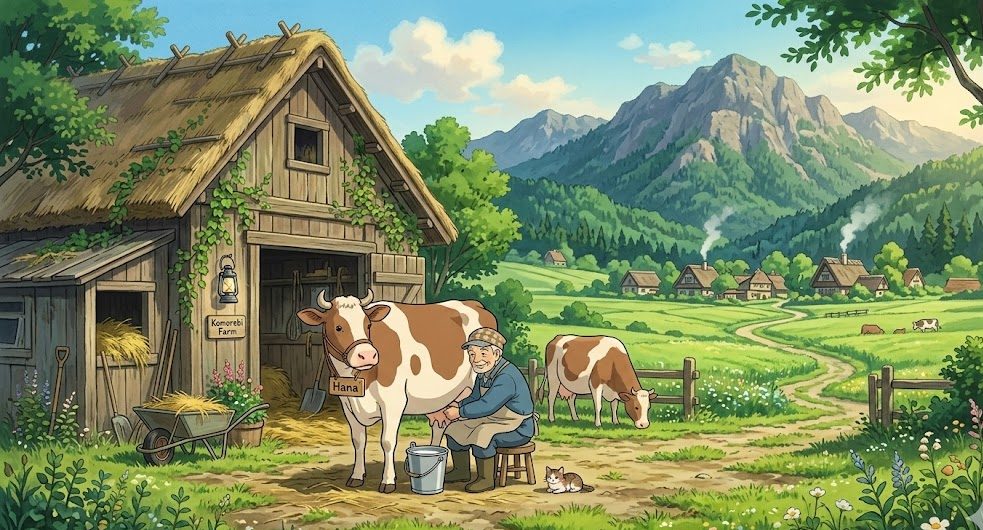
Did you know that a high-yielding dairy cow can produce over 25,000 pounds of milk in a single year? That is enough to fill roughly 40,000 glasses of milk! However, despite this incredible production potential, nearly 50% of new dairy ventures struggle to achieve profitability within their first three years.
The Challenge for beginners is the sheer complexity of the “biological clock”—managing lactation cycles, intricate nutritional needs, and the high capital required for infrastructure. The Main Concept for success in 2026 is Precision Dairy Management: a system where data and cow comfort come before sheer numbers. This article serves as your comprehensive roadmap, covering everything from breed selection to modern milking technology, ensuring you build a sustainable and profitable dairy enterprise.
Understanding Dairy Farming: Key Concepts and Importance
Dairy farming is the long-term commitment of raising cows specifically for milk production. Unlike meat farming, where the “harvest” happens once, dairy farming is a cyclical process that requires daily attention 365 days a year. Modern dairy farming has moved away from the “quantity-first” approach of the past. Today, the focus is on Component Pricing—the value of the fat and protein within the milk—rather than just the volume of liquid.
Think of a dairy cow as a high-performance metabolic engine. Just like a luxury vehicle requires high-octane fuel and regular maintenance to stay on the road, a cow requires a perfectly balanced Total Mixed Ration (TMR) and a stress-free environment to produce milk. If the “fuel” (nutrition) or “maintenance” (healthcare) is neglected, the engine stalls, leading to decreased yields and health issues like mastitis. In 2026, dairy farming is more relevant than ever as the demand for organic, grass-fed, and A2A2 milk products reaches an all-time high.
Why It Matters: The Top Benefits of Dairy Farming
Investing in dairy production offers a unique set of advantages that provide both financial stability and environmental value:
- Consistent Daily Cash Flow: Unlike crops that pay out once or twice a year, dairy cows provide a harvestable product every morning. This daily revenue is essential for managing farm operational costs.
- Valuable Value-Added Potential: Milk is incredibly versatile. By processing your own milk into cheese, yogurt, or butter, you can increase your profit margins by as much as 300% compared to selling raw milk to a cooperative.
- Fertility and Land Enrichment: Dairy cows produce high-quality manure. In a “closed-loop” system, this waste becomes the organic fertilizer that feeds your pastures, reducing your dependency on chemical inputs.
- Long-Term Asset Growth: A healthy dairy cow is a self-replicating asset. By retaining your best heifer calves, you can expand your herd size without purchasing new stock.
Pro Fact: In 2026, the global market for specialty dairy products (like lactose-free and grass-fed) is growing at nearly double the rate of conventional milk.
How to Get Started: A Practical Guide for Beginners
Launching a dairy farm requires a disciplined, step-by-step approach to mitigate risk. Follow this 5-step plan to begin your journey.
1. Choose the Right Breed for Your Goal
Don’t just pick the most common cow.
- Holsteins are the “volume kings,” producing the most liquid milk.
- Jerseys are smaller but produce milk with much higher butterfat and protein, making them ideal for cheese production.
2. Design for Cow Comfort
A comfortable cow produces more milk. Your housing must provide proper ventilation, clean bedding (sand or rubber mats), and constant access to fresh water. “Heat stress” is the #1 yield-killer, so ensure your barn has fans or misters if you live in a warm climate.
3. Establish a Nutritional Foundation
Work with a livestock nutritionist to create a Total Mixed Ration (TMR). This usually consists of a mix of silage (fermented forage), dry hay, and concentrates (grains/minerals). In 2026, precision feeding ensures the cow gets exactly what she needs at each stage of her lactation.
4. Invest in Milking Hygiene
Whether you use a bucket milker or a modern parlor, hygiene is non-negotiable. Pre-dipping and post-dipping teats in antiseptic solution prevents Mastitis, a painful udder infection that can ruin a cow’s production for life.
5. Management of the “Dry Period”
Cows need a “vacation.” Approximately 60 days before she is due to give birth, you must stop milking her. This “Dry Period” allows her udder tissue to repair and ensures she has the energy to produce high-quality colostrum for her calf.
Beginner’s Tip: Start with “Bred Heifers” (young cows pregnant with their first calf). While they are more expensive, they have their entire productive life ahead of them and represent the latest genetic improvements in the industry.
Overcoming Challenges and Looking into the Future
The biggest hurdle for modern dairy farmers is Volatile Feed Prices. To combat this, successful beginners are dedicating more acreage to growing their own high-quality forage, reducing their reliance on expensive imported grains. Another challenge is Animal Welfare Perception; 2026 consumers want to see cows on pasture. Implementing a “Hybrid Grazing” system—where cows have access to both a high-tech barn and fresh pasture—is the current gold standard.
The future of dairy is Robotic Milking Systems (RMS). These machines allow cows to “milk themselves” whenever they feel full, reducing labor costs and providing incredible amounts of data on milk quality and cow health. We are also seeing the rise of Wearable Sensors (similar to a Fitbit for cows) that track “rumination time”—if a cow stops chewing her cud, the farmer receives a text alert immediately, often 24 hours before the cow shows physical signs of illness.
Conclusion
Dairy farming is perhaps the most demanding form of livestock agriculture, but it is also the most rewarding. By focusing on cow comfort, nutritional precision, and high-standard hygiene, you can create a business that provides consistent daily income and contributes to the local food economy. In 2026, the most successful dairy farmers aren’t just “cow-herders”; they are data managers and environmental stewards.
Your Next Step: Visit a local dairy farm and ask to observe their milking routine. Seeing the workflow and equipment in person is the best way to determine if the 365-day dairy lifestyle is the right fit for your goals.
Frequently Asked Questions (FAQs)
1. How much land do I need for one dairy cow?
On average, you need 1.5 to 2 acres per cow if you plan on providing all their forage through grazing. If you are “buying in” your hay and silage, you can manage with much less space in a “dry lot” system.
2. How many times a day should a cow be milked?
Most dairy farms milk two times per day, usually 12 hours apart. Some high-yield farms move to three times per day, but this significantly increases labor and wear on the cows’ udders.
3. How long does a dairy cow stay productive?
While a cow can live for 15 years, the average commercial dairy cow stays in the herd for 4 to 6 years. After this, they are usually “culled” for meat, though many small-scale farmers keep healthy producers much longer.
4. What is “A2 Milk” and why does it matter?
A2 milk comes from cows with a specific genetic trait (common in Jerseys and Guernseys). Many people who are “lactose intolerant” find they can digest A2 milk easily, making it a high-value niche market for small farmers.