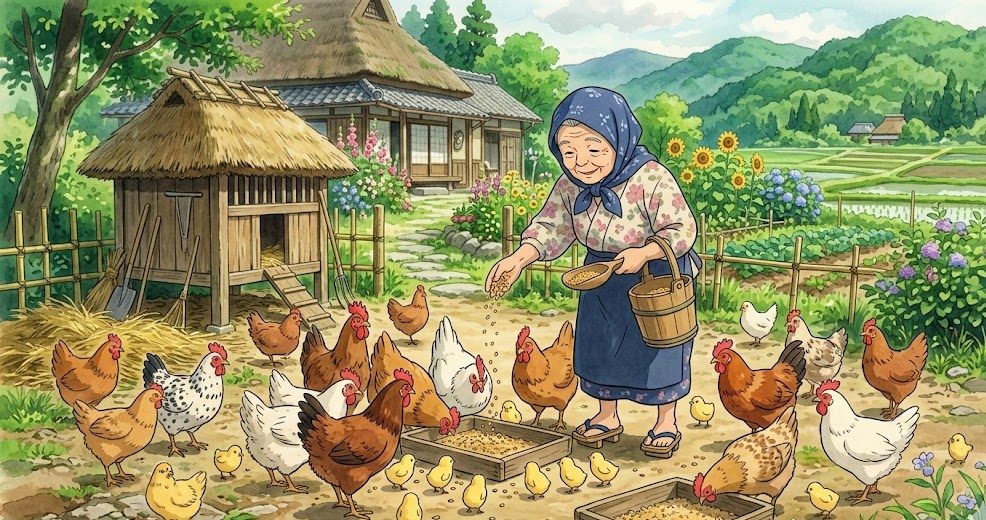
Did you know that a chicken’s body weight increases by nearly 400% in just its first week of life? This staggering growth rate is a biological marvel, but it is also a fragile one. For many poultry keepers, the greatest Challenge is the “growth plateau”—that frustrating period where birds seem to stop gaining weight despite eating constantly. The reality is that feeding a chicken is not about quantity; it is about the precision of nutrients at specific physiological windows.
The Main Concept of successful poultry production is Nutritional Phase Synchronization. By matching the protein, energy, and mineral density of the feed to the bird’s exact age, you can unlock its genetic potential for maximum growth while minimizing waste. This article serves as your definitive roadmap, providing a structured Chicken Feeding Chart and a deep dive into the science of avian nutrition to ensure your flock is healthy, heavy, and profitable in 2026.
Understanding Poultry Nutrition: Key Concepts and Importance
To master poultry feeding, you must view the chicken not as a simple eater, but as a high-speed metabolic engine. Modern chicken breeds, particularly broilers, have been genetically refined to convert feed into muscle with incredible efficiency. However, this engine requires different “octane” levels of fuel as it matures.
Shutterstock
Think of poultry nutrition like building a skyscraper. In the first few weeks, you are pouring the foundation (skeletal development and organ growth). This requires high levels of protein and amino acids like lysine and methionine. As the building goes up, you need the structural steel (muscle mass), which requires a balance of protein and energy. Finally, the finishing touches (fat cover and weight) require high energy but lower protein. If you try to build the top floor before the foundation is set—by feeding high-energy “finishing” grains too early—the entire structure collapses into a mess of leg deformities and stunted growth. Understanding this progression is the core of modern poultry science.
Why It Matters: The Top Benefits of an Age-Based Feeding Chart
Implementing a structured feeding chart is the single most effective way to turn your poultry farm from a “money pit” into a “money maker.” Here is why it matters:
- Maximum Feed Conversion Ratio (FCR): When you feed the right nutrients at the right time, the bird uses almost every gram for growth. This reduces “nutrient leaching,” where expensive protein is simply passed as waste.
- Reduction in Mortality and Disease: Many common poultry killers, such as Ascites (heart failure) and Coccidiosis, are directly linked to improper feeding speeds or contaminated gut environments. A balanced chart supports a robust immune system.
- Optimized Market Timing: In the commercial world, time is money. A precision-fed broiler reaches market weight 5–7 days faster than a poorly fed one, allowing you to run more “cycles” per year.
- Significant Cost Savings: Protein is the most expensive part of the feed. By lowering protein levels in the “Finisher” stage (when the bird no longer needs it for bone growth), you save thousands in unnecessary feed costs.
Pro Fact: In 2026, the industry standard for a top-tier broiler is a 1.45 FCR, meaning it takes only 1.45 kg of feed to produce 1 kg of live weight—but only if the feeding phases are followed perfectly.
How to Get Started: A Practical Guide for Beginners
Transitioning your flock to a structured feeding program is a 5-step process. Use the chart below as your primary reference for the 2026 growing season.
1. The Starter Phase (Weeks 0–2)
The goal here is organ development and immunity.
- Feed Type: Starter Crumble.
- Protein Level: 22% – 24%.
- Goal: 24-hour access to feed and clean water to trigger the digestive system immediately after hatch.
2. The Grower Phase (Weeks 3–4)
The goal here is skeletal and muscle frame development.
- Feed Type: Grower Pellets.
- Protein Level: 20% – 21%.
- Goal: Steady growth without causing “leg weakness” from gaining weight too fast for the bones to handle.
3. The Finisher Phase (Weeks 5–Market)
The goal here is weight gain and meat quality.
- Feed Type: Finisher Pellets.
- Protein Level: 18% – 19% (High Energy).
- Goal: Maximum caloric intake to fill out the breast muscle.
4. Water: The Silent Nutrient
Feed is useless without water. Ensure a 2:1 water-to-feed ratio. If a chicken does not drink, it will not eat. In 2026, we recommend using nipple drinkers to keep water cool and free from bacteria.
5. Transitioning Between Feeds
Never switch feeds overnight. This shocks the gut microbes. Over 3 days, mix the old and new feed:
- Day 1: 75% old, 25% new.
- Day 2: 50% old, 50% new.
- Day 3: 25% old, 75% new.
Beginner’s Tip: Avoid “all-purpose” poultry feeds. While they are convenient, they are “masters of none.” They have too much protein for older birds (wasting money) and too little for chicks (stunting growth).
Overcoming Challenges and Looking into the Future
The biggest hurdle in 2026 is Mycotoxins—toxins produced by fungi in stored feed. Even the best feeding chart fails if the feed is moldy. Always store feed in a cool, dry place and use it within 4 weeks of the milling date. Another challenge is Heat Stress; chickens stop eating when it is too hot. In the future, we will see more “Night Feeding” programs where lights are used to encourage birds to eat during the cooler hours of the night.
The future of poultry feeding is Precision Nutrigenomics. We are seeing the rise of “Smart Feeders” that use AI to monitor a bird’s weight in real-time and automatically adjust the mix of corn (energy) and soy (protein) in the trough. Additionally, the move toward Antibiotic-Free (ABF) production is making probiotics and organic acids a standard part of the feeding chart to maintain gut health without chemicals.
Conclusion
Feeding your chickens is the most critical management task on your farm. By moving away from “guesswork” and adopting a phase-based Chicken Feeding Chart, you are respecting the biological needs of your birds while protecting your profit margins. Remember, the first 14 days are the most important; get the “Starter” phase right, and the rest of the growth will follow.
Your Next Step: Check the label on your current bag of feed. If the protein content doesn’t match the age of your birds according to the chart above, visit your local mill this week to secure the correct phase-specific feed.
Frequently Asked Questions (FAQs)
1. Can I feed my meat chickens (broilers) layer feed?
No. Layer feed is designed with high calcium (3.5%+) for eggshells. If you feed this to fast-growing meat chicks, the excess calcium can cause severe kidney damage and death.
2. Why are my chickens eating but not growing?
This is often caused by internal parasites (worms) or coccidiosis. These organisms steal nutrients from the gut before the chicken can absorb them. Ensure you have a proper deworming and biosecurity schedule in place.
3. Should I supplement the feed with kitchen scraps?
Scraps are fine as “treats,” but they should never exceed 10% of the total diet. Scraps are usually low in protein and will dilute the balanced nutrition of the commercial feed, leading to slower growth.
4. How much feed does a broiler eat from hatch to market?
On average, a broiler will consume approximately 4.5 kg to 5 kg of feed over a 6-week period to reach a market weight of roughly 2.2 kg to 2.5 kg.