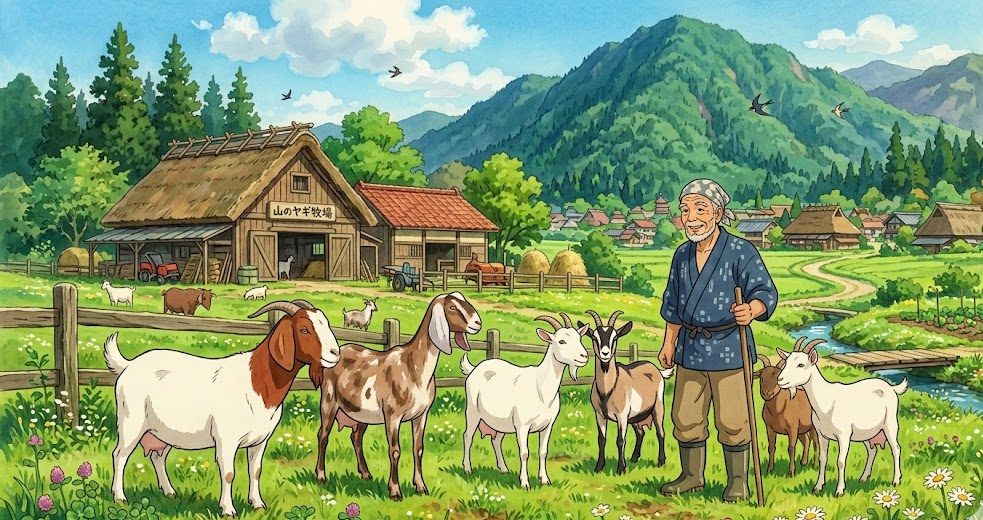
Did you know that over 70% of the world’s population consumes goat meat and milk as their primary source of animal protein? Despite this massive global demand, many aspiring farmers fail within their first two years because they choose the wrong genetics for their specific goals.
The Challenge for most beginners is the “all-purpose” trap—trying to find one goat that does everything perfectly, only to end up with low milk yields and slow-growing meat stock. The Main Concept to master is selective breed synchronization: matching the specific genetic strengths of a breed to your regional climate and business model. This article provides a comprehensive roadmap for selecting the best goat breeds, ensuring your farm is profitable, sustainable, and productive from day one.
Understanding Genetic Specialization: Key Concepts and Importance
In the world of livestock, “breed” is more than just an aesthetic; it is a biological blueprint. Understanding goat breeds is the foundation of a successful agricultural venture. Historically, goats were generalists, but centuries of specialized breeding have created “high-performance athletes” in two distinct categories: Meat (Chevon) and Dairy.
Think of choosing a goat breed like selecting a vehicle for a specific job. You wouldn’t use a Formula 1 car to haul timber, nor would you use a heavy-duty tractor to win a high-speed race. A Boer goat is your “tractor”—built for muscle, weight, and power. A Saanen goat is your “high-efficiency tanker”—designed to process fuel (feed) into a maximum volume of liquid product (milk). Mixing these up or choosing a “middle-of-the-road” breed often leads to inefficiency that eats into your profit margins.
Why It Matters: The Top Benefits of Choosing the Right Breed
Selecting the “Best of Breed” isn’t just about vanity; it directly impacts your farm’s bottom line and the welfare of your animals. Here is why specialized selection matters:
- Accelerated ROI (Return on Investment): Meat-specific breeds like the Boer reach market weight in nearly half the time of feral or dairy breeds, meaning you spend less on feed per pound of meat produced.
- Superior Milk Quality: Dairy breeds are bred for specific components. Some, like the Nubian, offer higher butterfat content, making them ideal for artisanal cheese and soap production.
- Disease Resistance: Certain indigenous or specialized breeds have evolved “hardiness genes,” allowing them to resist parasites that would typically devastate a non-specialized herd.
- Market Premium: Buyers at auctions and specialty markets pay a premium for recognized genetics. A “Grade A” dairy goat or a “Fullblood” meat goat commands a much higher price than a crossbreed.
Pro Fact: In 2026, the demand for A2 goat milk has surged by 15%, as consumers seek easier-to-digest alternatives to traditional cow dairy.
How to Get Started: A Practical Guide for Beginners
Choosing your first herd is the most critical decision you will make. Follow this 5-step actionable plan to ensure you select the right genetics for your goals.
Step 1: Define Your “North Star” Product
Are you selling fluid milk, artisanal cheese, meat carcasses, or breeding stock? If you want milk for the family but meat for the market, consider Dual-Purpose breeds like the Nubian or Kiko.
Step 2: Evaluate Your Climate
Not all goats thrive everywhere. Saanens (Dairy) prefer cooler climates and may struggle in extreme heat. Conversely, Kalahari Reds (Meat) are built for sun and arid conditions. Match the breed to your local weather.
Step 3: Source from Reputable Breeders
Never buy your foundation stock from a random “sale barn” or auction. You want goats with performance records. Ask for milk test data or weight-gain charts to prove the animal’s genetic potential.
Step 4: Inspect for Conformation
Even within the “best” breeds, individual quality varies. Look for a “wedge-shaped” body in dairy goats and a “deep, wide barrel” in meat goats. This ensures the animal has the physical capacity to carry milk or muscle.
Step 5: Start with “Commercial” Crosses
For meat production, a Boer-Kiko cross is often better for beginners than a purebred. You get the muscle of the Boer with the parasite resistance and “mothering” ability of the Kiko.
Beginner’s Tip: Don’t buy a buck (male) immediately. Bucks are expensive to house and can be aggressive. Use Artificial Insemination (AI) or “lease” a high-quality buck to get the best genetics without the overhead.
Overcoming Challenges and Looking into the Future
The biggest hurdle in 2026 is parasite resistance. Over-worming has made many traditional breeds vulnerable. The solution lies in “Low-Input” breeds like the Spanish Goat or Savanna, which require less chemical intervention.
The future of goat farming is moving toward Genomic Selection. Farmers are now using DNA ear-notches to identify “super-producers” before they even reach maturity. We are also seeing a trend toward Polled (Naturally Hornless) genetics to improve safety for both the handler and the herd. By choosing breeds that are naturally hardy and biologically efficient, you are future-proofing your farm against rising feed costs and climate shifts.
Conclusion
Success in goat farming isn’t about working harder; it’s about working with the right genetics. Whether you choose the high-yielding Saanen for a dairy operation or the muscular Boer for meat production, your choice of breed determines your path to profitability. By focusing on specialized genetics and matching them to your environment, you solve the problem of inefficiency before it starts.
Your Next Step: Download a “Breed Comparison Matrix” or visit a local livestock show this weekend to see these breeds in person. Feeling the coat of a Nubian or seeing the size of a Boer up close will make your decision much clearer.
Frequently Asked Questions (FAQs)
1. Which goat breed produces the most milk?
The Saanen is widely considered the “Holstein of the goat world.” They are the highest-producing dairy breed, often yielding 2–3 gallons of milk per day under peak conditions.
2. What is the best goat breed for meat?
The Boer goat is the gold standard for meat. They have been selectively bred for rapid growth, high carcass yield, and a docile temperament, making them the most popular meat breed globally.
3. Can I use dairy goats for meat?
Yes, but it is less efficient. While you can eat any goat, dairy breeds have a lower “dress-out” percentage (less meat-to-bone ratio) compared to specialized meat breeds.
4. Which breed is best for a small backyard farm?
If space is limited, Nigerian Dwarfs are excellent. They are tiny, produce surprisingly high-quality milk with high butterfat, and are much easier to handle than full-sized breeds.